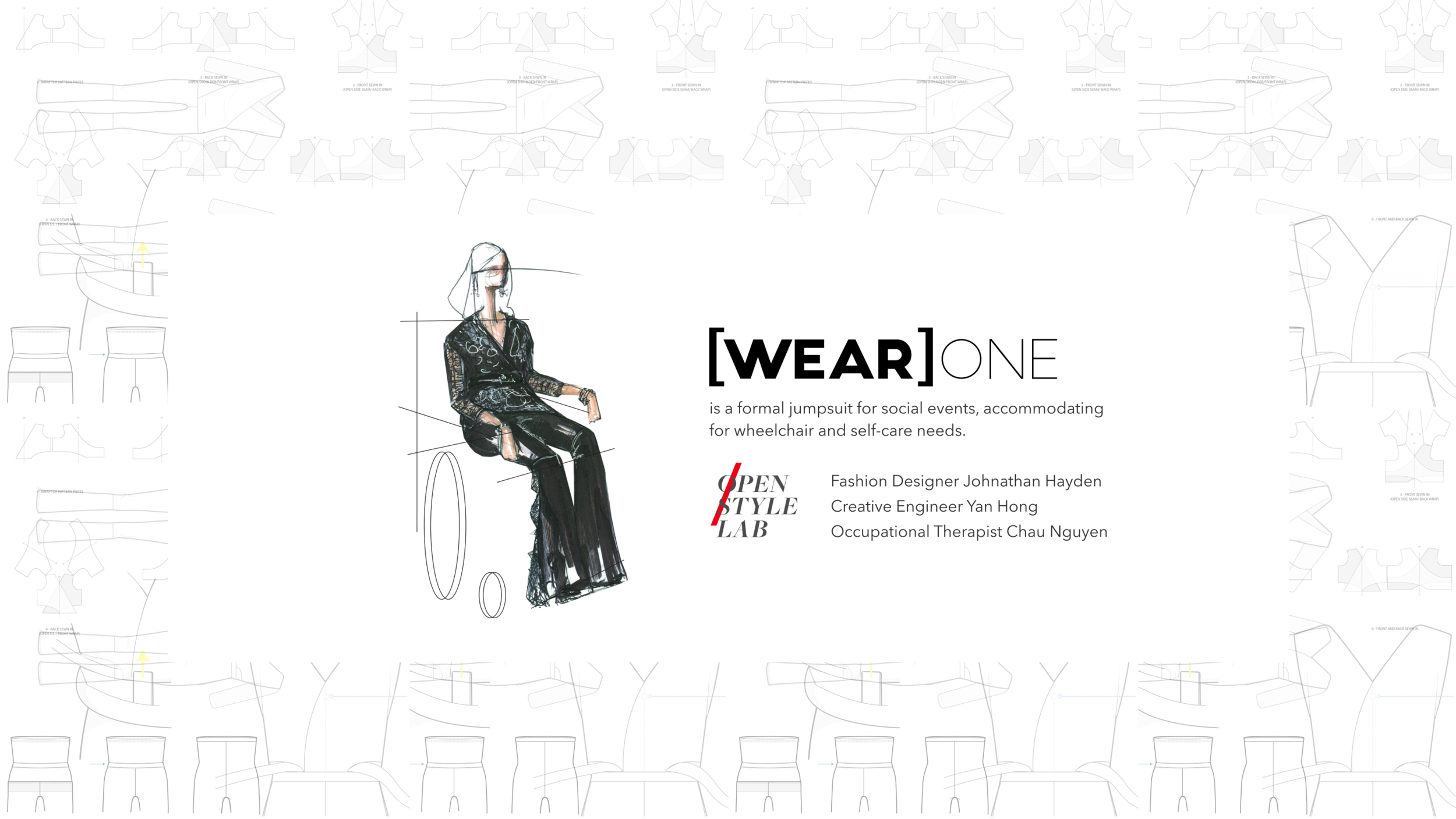
[WEAR] ONE
Date
06/2017 - 10/2017
Organization
Open Style Lab
My role
Creative Engineer
In the summer of 2017, shortly after graduating from Parsons, I was invited by the founder of Open Style Lab to join the team as a Creative Engineer for a short-term project.
Founded in 2014, Open Style Lab (OSL) is a 501(c)(3) nonprofit organization dedicated to creating functional, wearable solutions for people of all abilities without compromising style. OSL brings together designers, engineers, and occupational therapists to conceive and build accessible wearables in collaboration with people with disabilities. Its mission is to make style accessible to all, regardless of cognitive or physical ability, through education, research, innovation, corporate collaboration, and public awareness.
User Research
Individuals with spinal cord injury (SCI) have unique functional needs that require careful consideration in everyday activities. The effects of paraplegia, including loss of sensory and motor function in the trunk and legs, prolonged seated positioning, catheter use for self-care, and skin sensitivity, significantly shape the relationship between the wearer and their clothing. Our client, Marci, shared her frustration with finding formalwear that met both her aesthetic preferences and functional needs. Because self-expression through clothing was important to her, our goal was to design a formal garment that felt stylish while accommodating wheelchair use and self-care requirements.
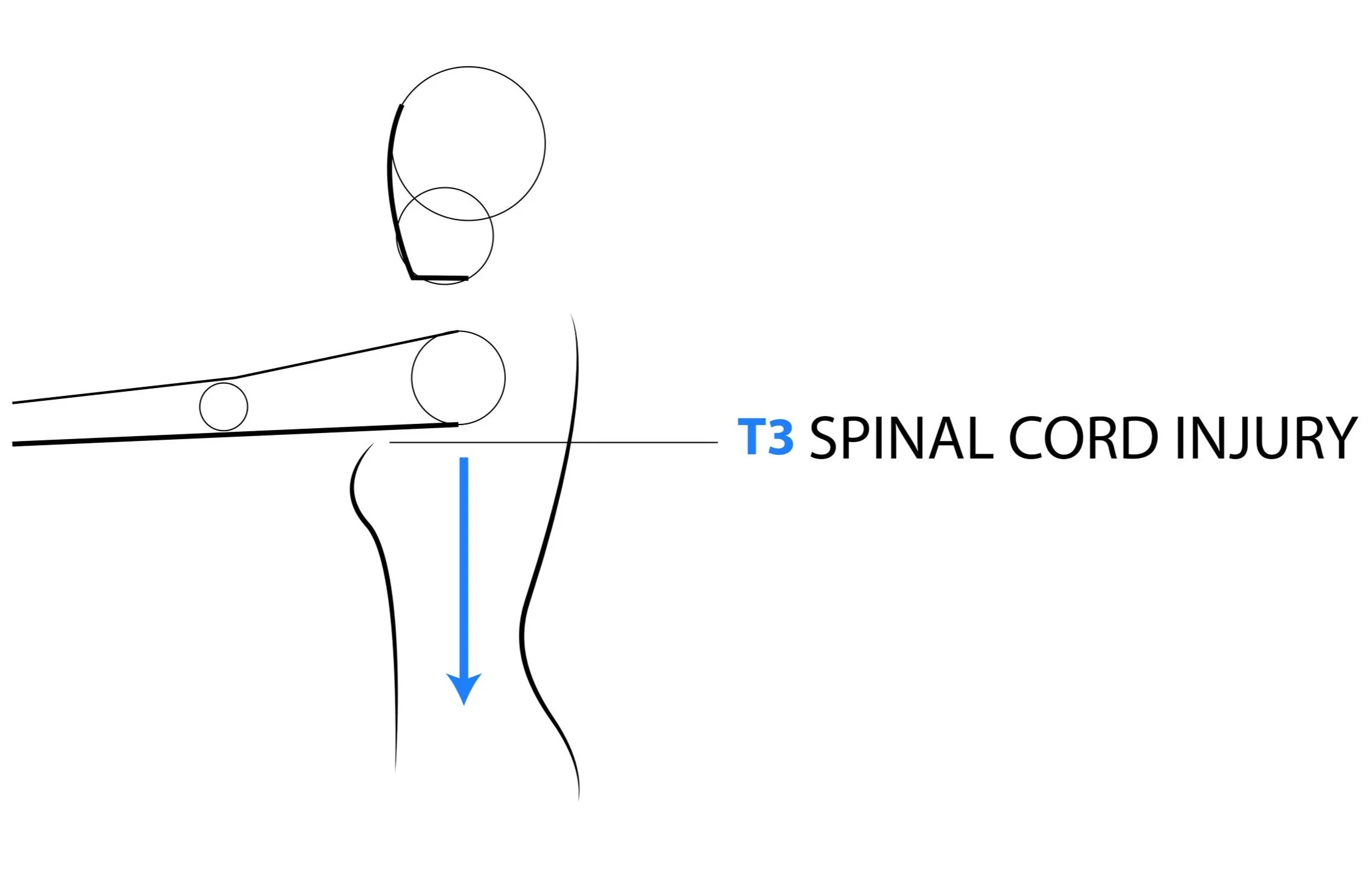

Paraplegia: Loss of sensory and motor function from the trunk level downward.

Self Care: Marci’s daily routine is shaped by ongoing self-care needs.

Wheelchair Use: Marci uses a power wheelchair for greater independence.

Skin Sensitivity: Marci experiences skin sensitivity due to prolonged sitting, temperature, and friction.

Formal Wear: Marci enjoys attending formal events, but struggles to find clothing that is both functional and elegant.
Marci sustained a spinal cord injury eight years earlier, resulting in T3 paraplegia and the loss of sensory and motor function in her lower trunk and legs. She uses a powered wheelchair as her primary means of mobility throughout the city. For local travel, she may take the subway when elevator access is available near her home, or use an accessible taxicab for longer commutes.
Her injury also changed how she performs activities of daily living, including dressing and toileting. She requires assistance getting dressed. For self-care, Marci uses a catheter while seated in her wheelchair to empty her bladder multiple times throughout the day. As a result, she needs clothing that allows easy, discreet, and comfortable access for self-care.
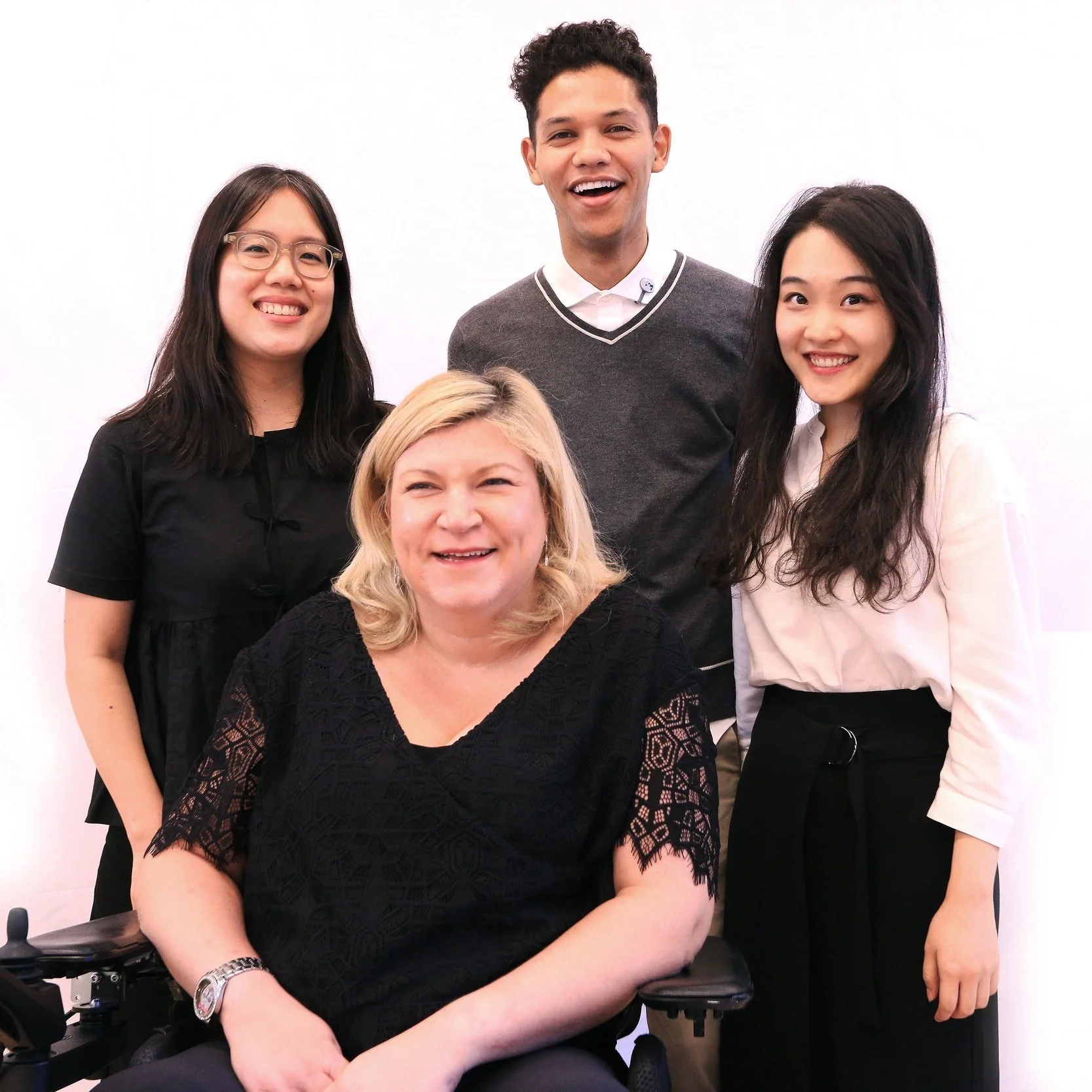
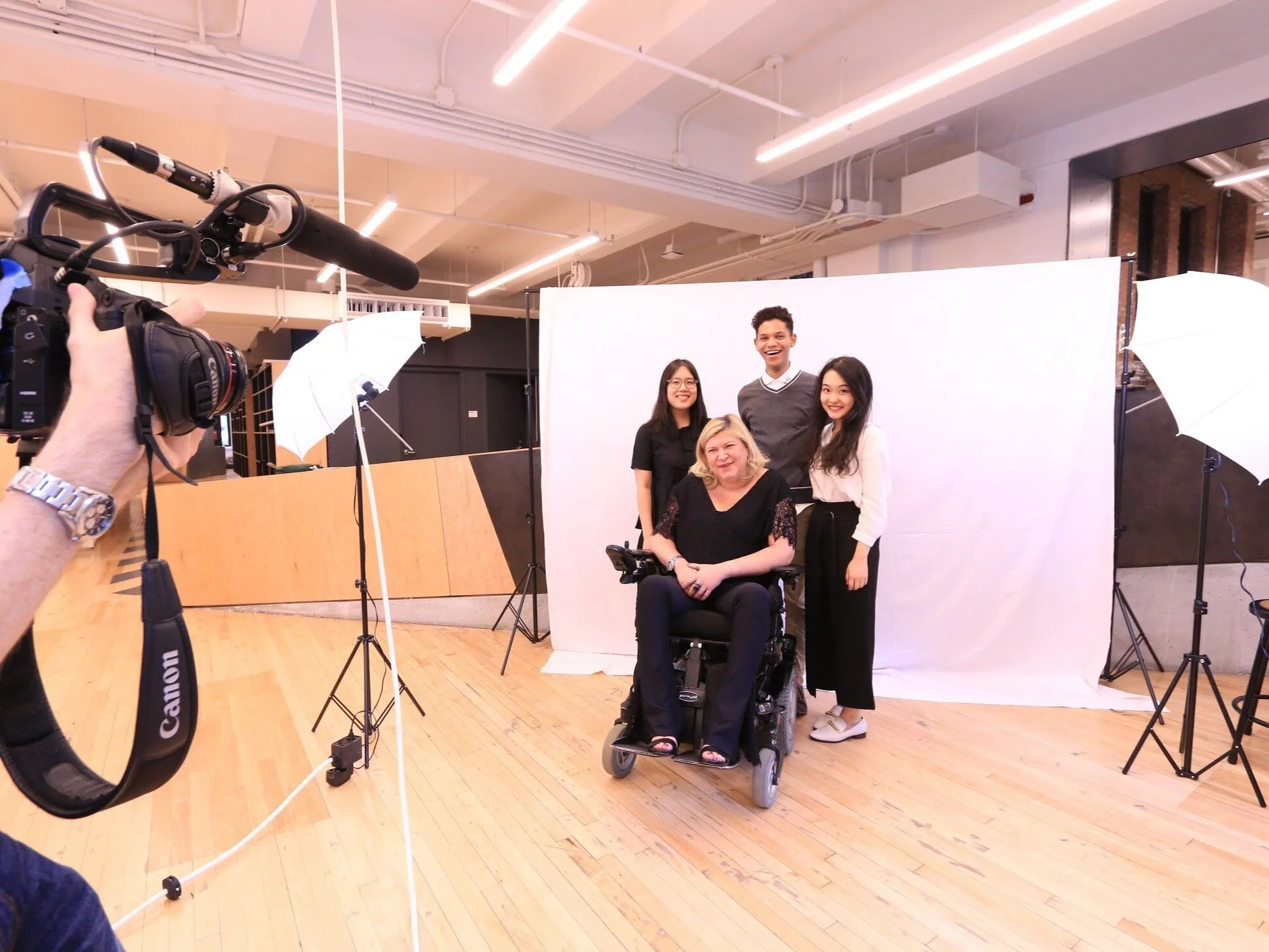
My team and our client, Marci.
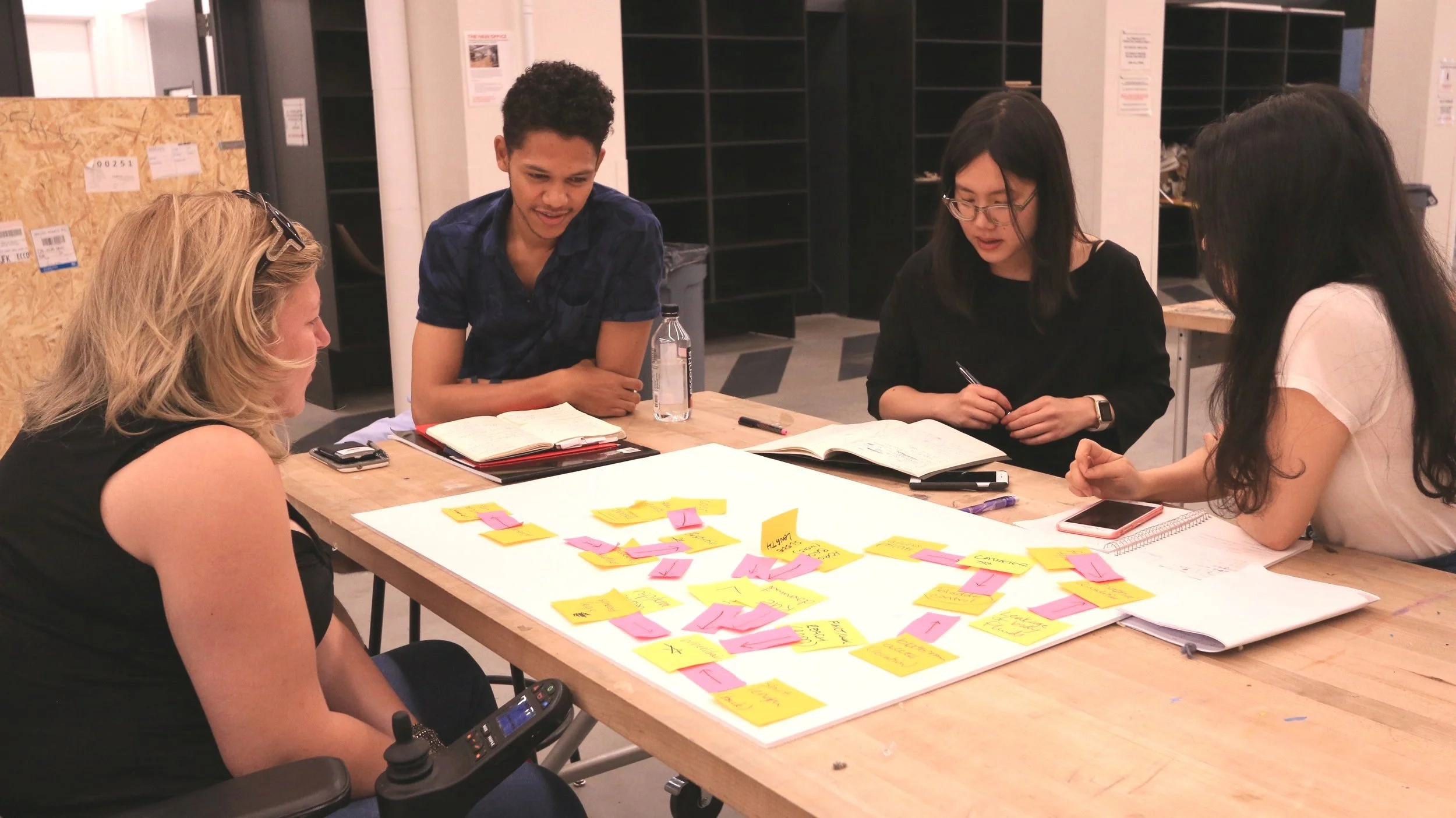
To better understand Marci’s priorities and the activities she valued most, we used the Canadian Occupational Performance Measure (COPM), a semi-structured interview method designed to identify challenges in self-care, productivity, and leisure activities (Law, 1990). In addition to the COPM, we conducted several task analyses focused on dressing, self-care routines, and wheelchair use.
Across both structured interviews and informal conversations, several themes consistently emerged: the importance of self-care access, thoughtful fabric choices, maintaining an active social life, and body image.
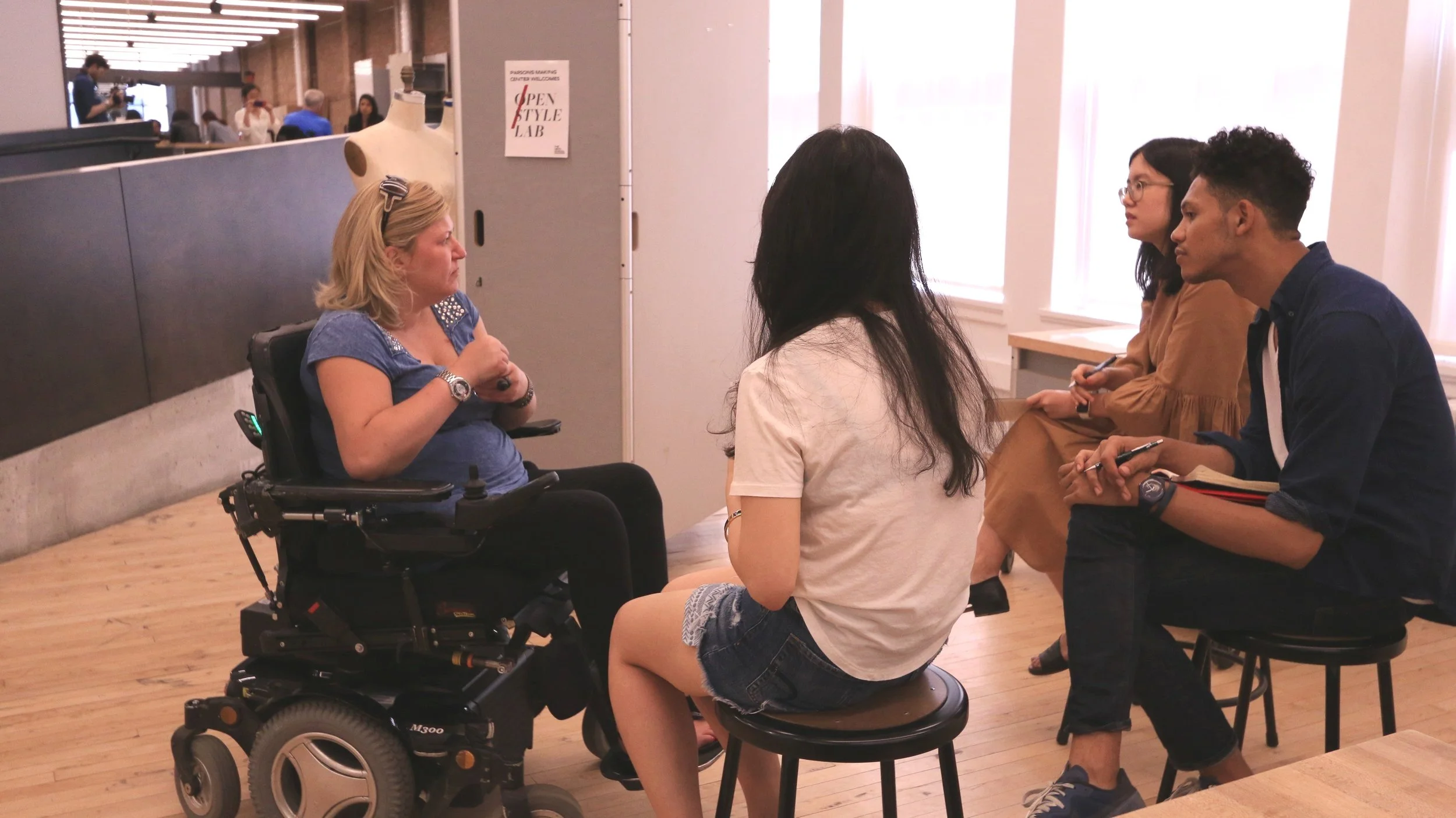
Marci discussing her needs as a wheelchair user.
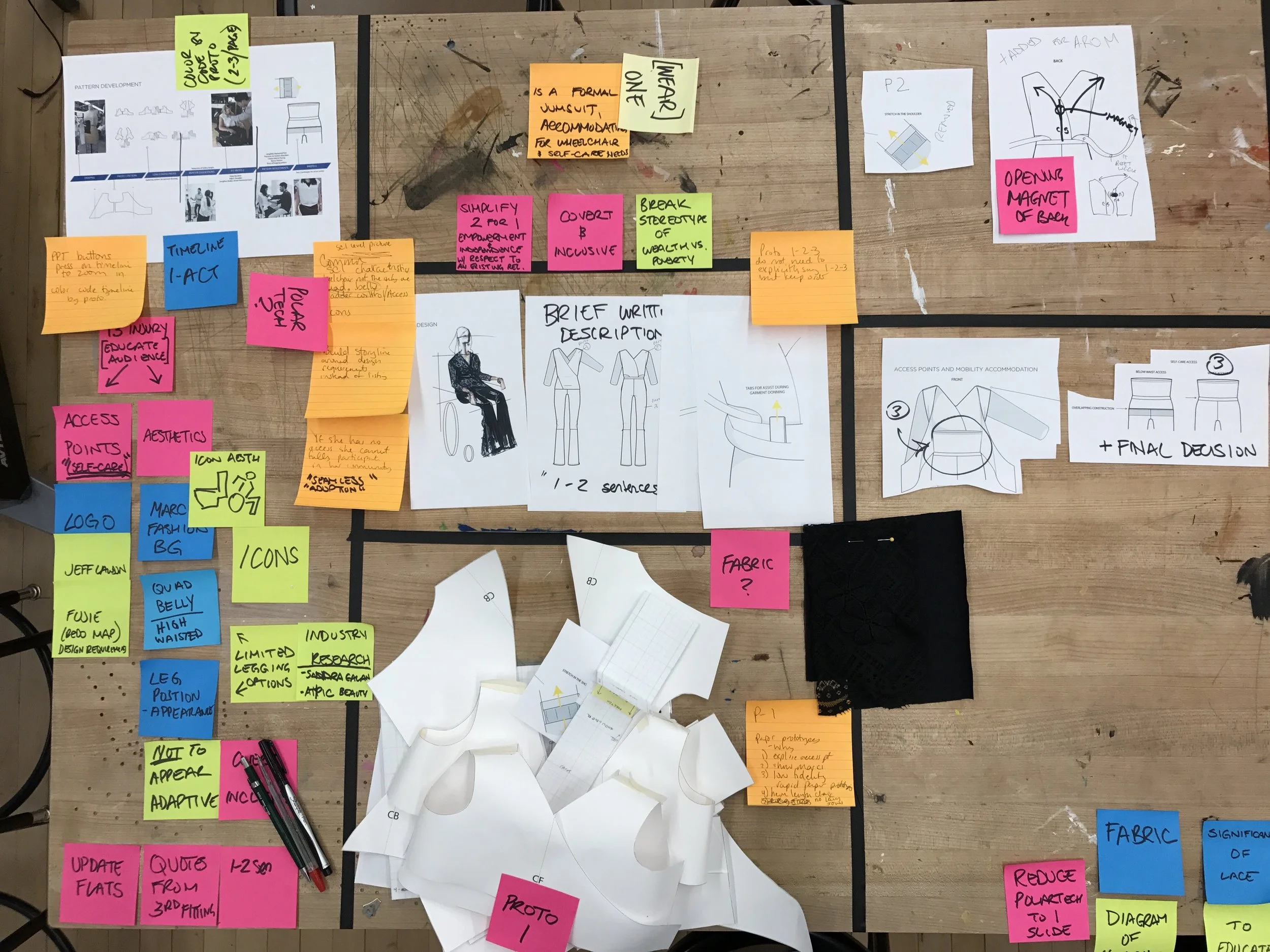
Design process
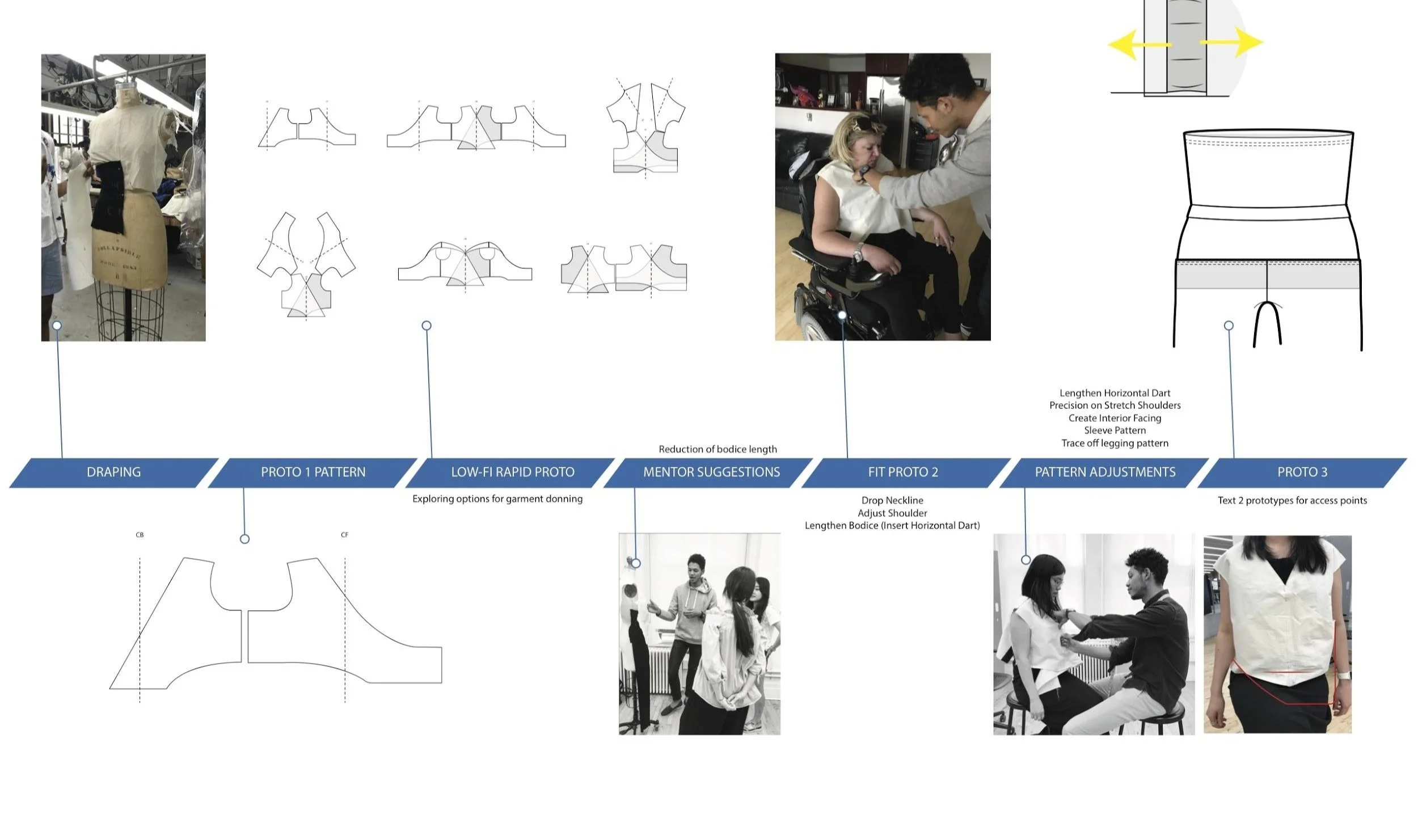
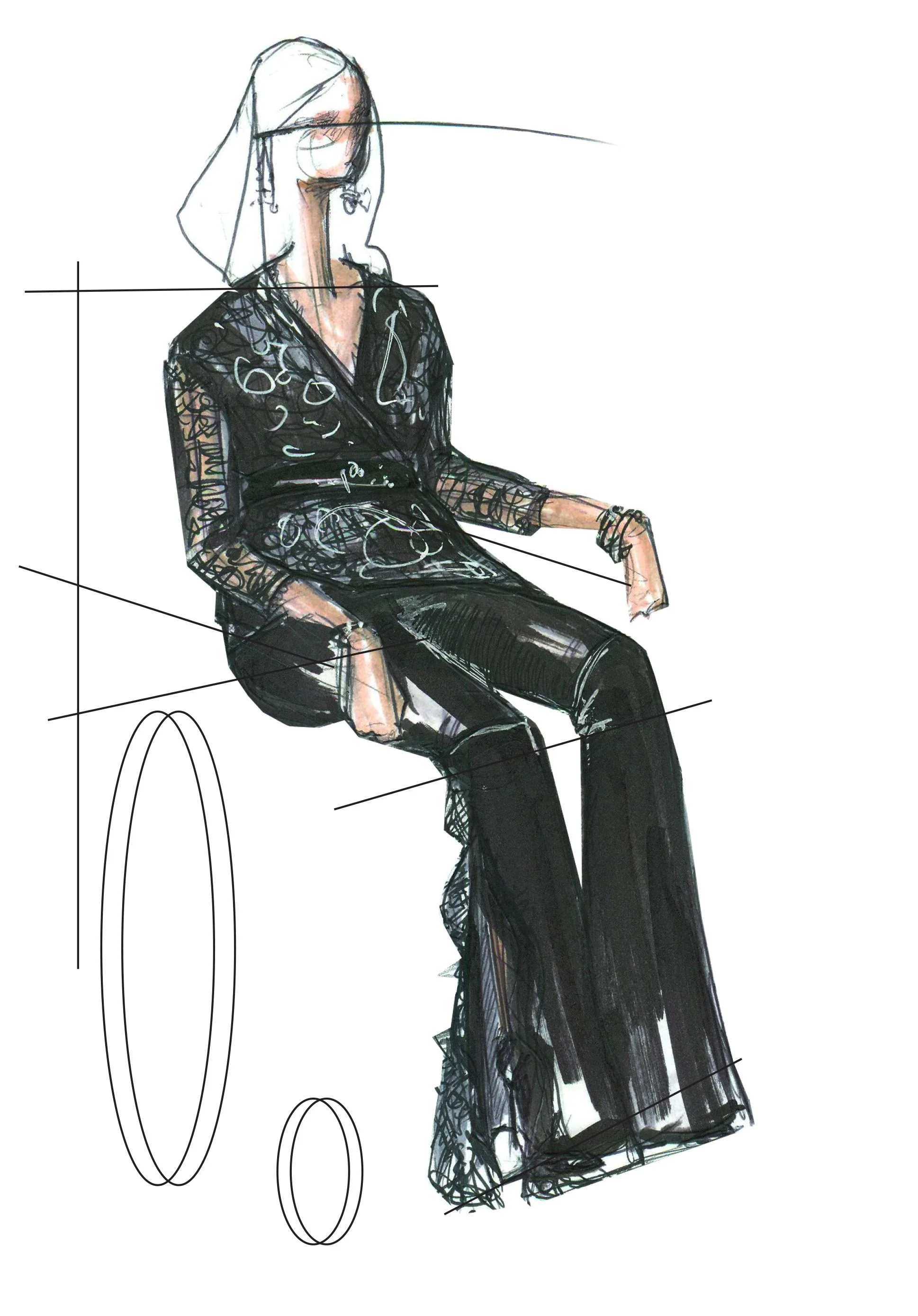
Rather than beginning with conventional fashion inspiration, the design process for [WEAR] ONE was rooted in Marci’s lived experience and functional needs. From the earliest draping stage, our design decisions focused on improving her overall user experience. This led to an ongoing exploration of alternative ways of putting on and taking off the garment, from side-seam openings to a concept in which the entire bodice of the jumpsuit could detach from the pants.
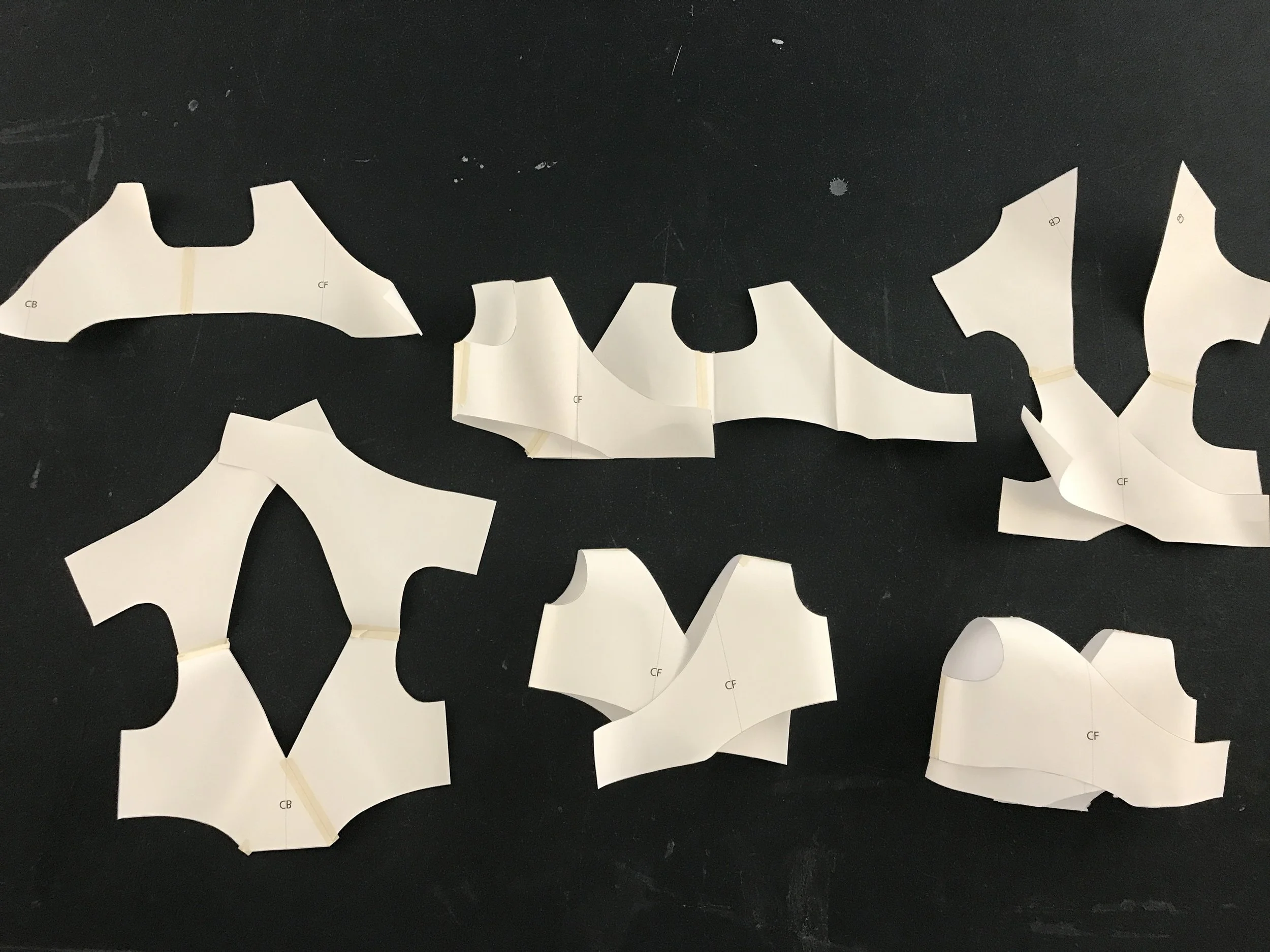
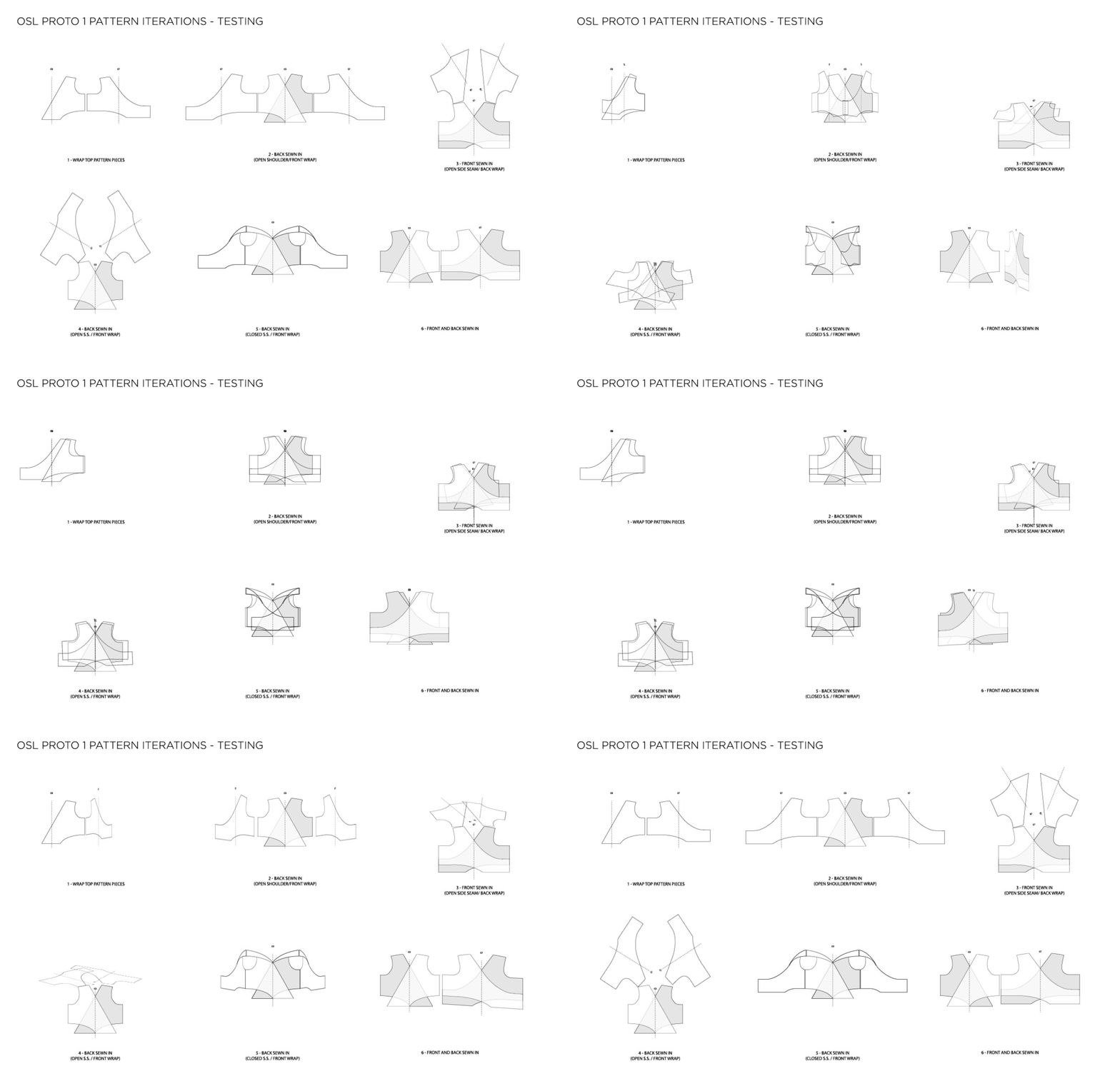
Because there were many unexplored design directions, we used rapid, low-fidelity paper prototyping to test solutions for one of our key design requirements: creating effective access points. This approach allowed us to communicate options quickly and clearly during fittings of the initial graded pattern.
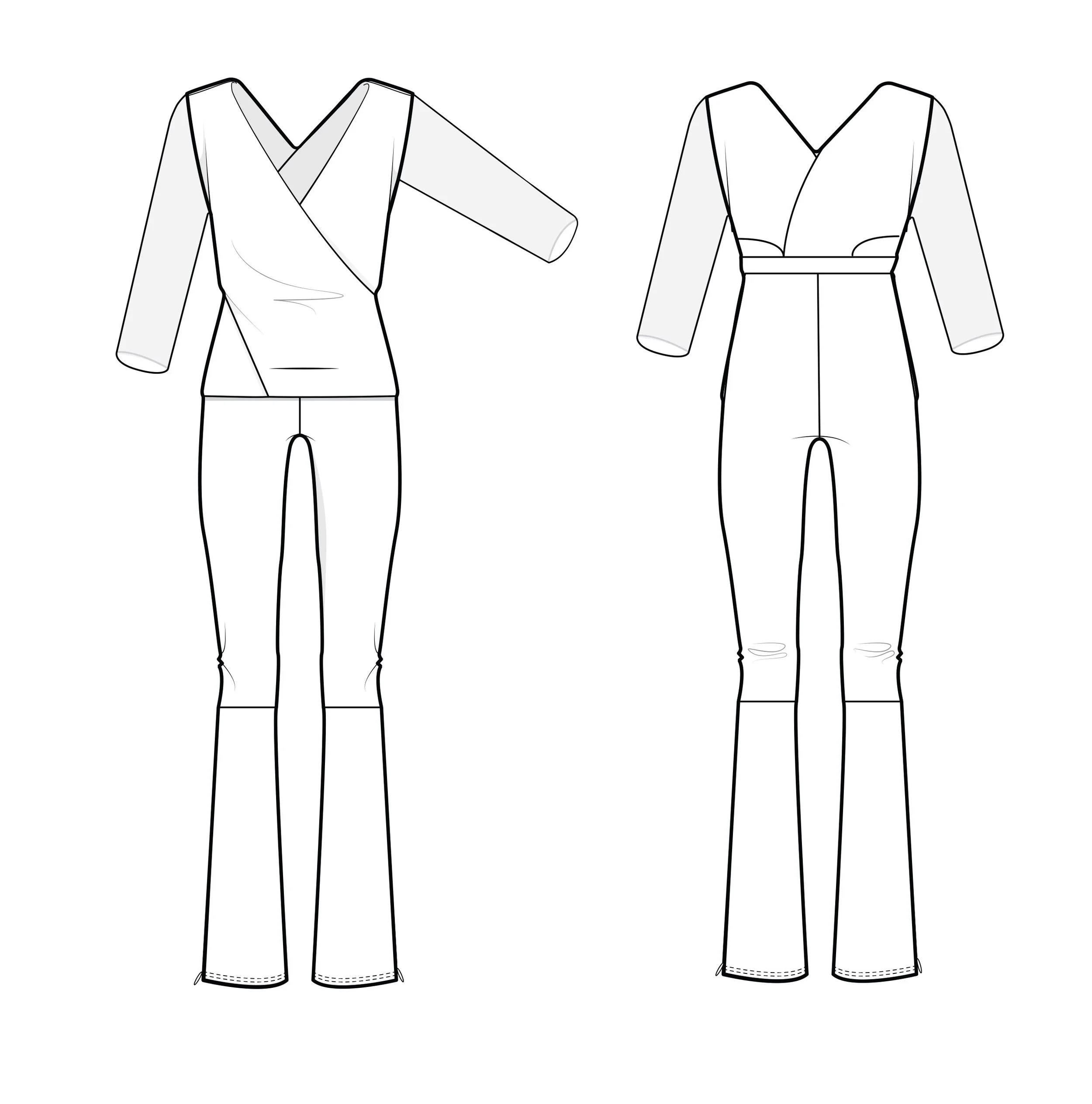
With a clearer understanding of how the design could support her needs, Marci selected a vest-like wrap bodice attached to the waistline at the garment’s center back.
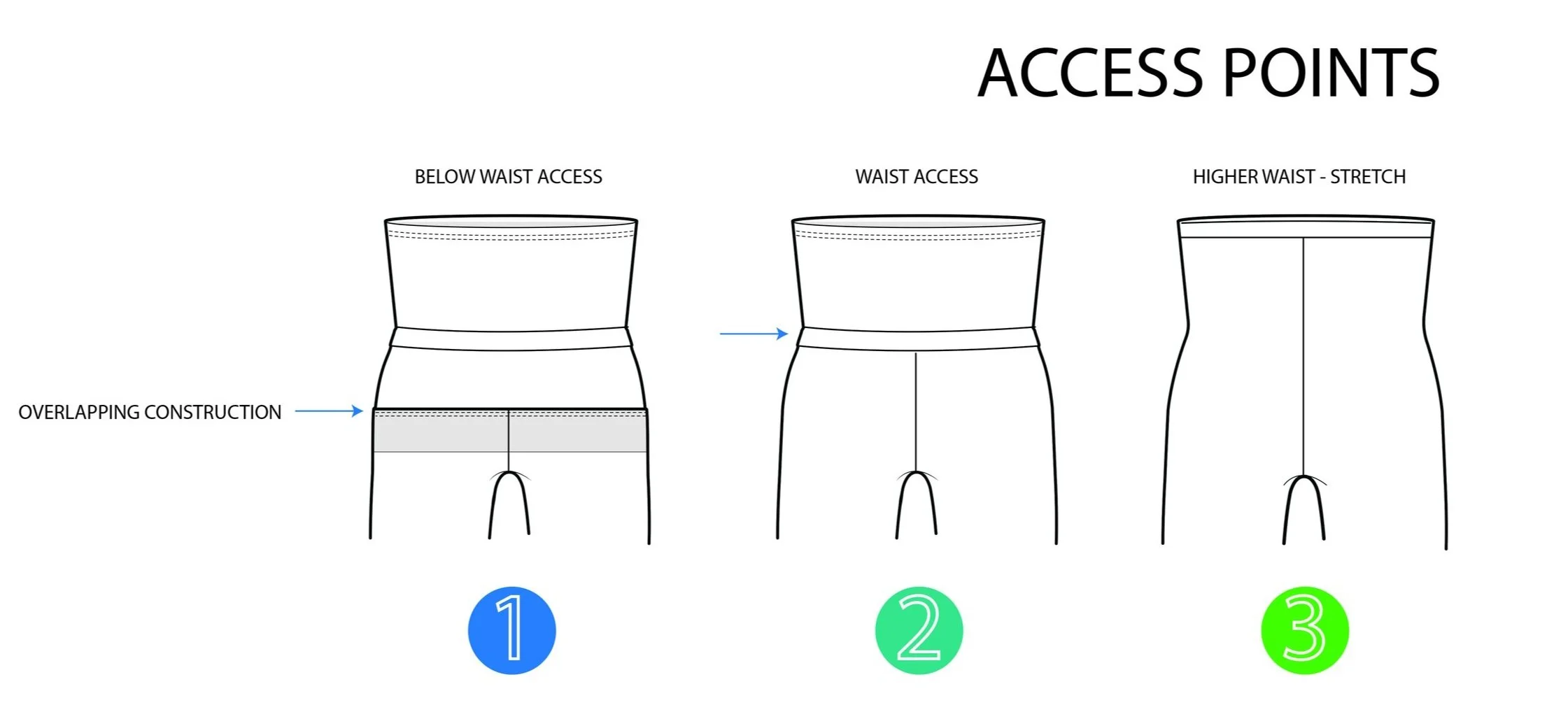
The pants introduced a second opportunity to improve access for self-care. In response to the need to reduce the time required for catheterization, we explored a hidden, lowered opening below the waistline. Since buttons and zippers in this area could cause skin breakdown for Marci, we instead developed a solution using overlapping fabric construction to create both secure closure and functional access.
To further support comfort and confidence, we also added a mock built-in girdle at the waist of the jumpsuit. This addressed Marci’s desire to feel securely held in beneath the garment’s looser, overlapping wrap silhouette.
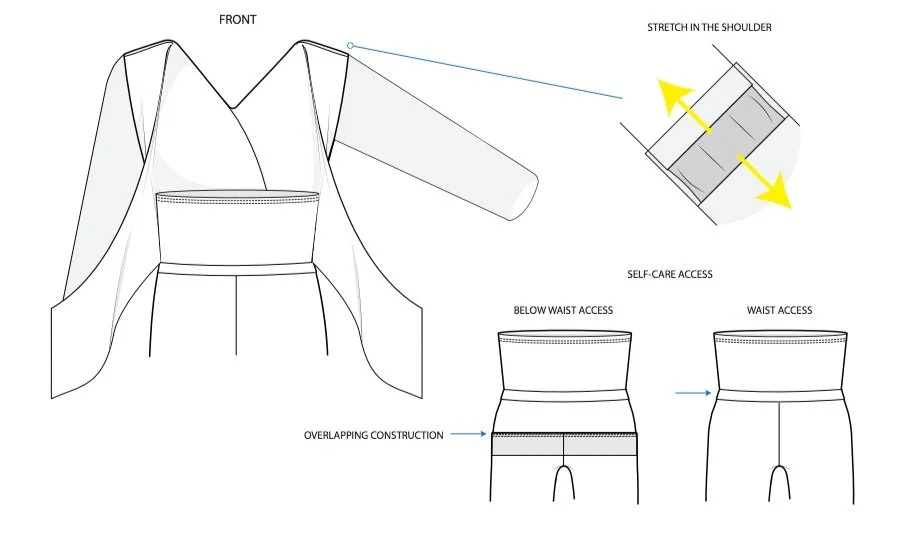
During the third prototype fitting, however, our lower-access construction proved unsuccessful. Both Marci and the person assisting her found it unintuitive within her existing dressing routine. Marci also felt less securely supported in the garment. After additional discussion with her assistant, we decided to revise the design by increasing the rise and making the garment high-waisted.
Pattern Development
Narrative Through Animation
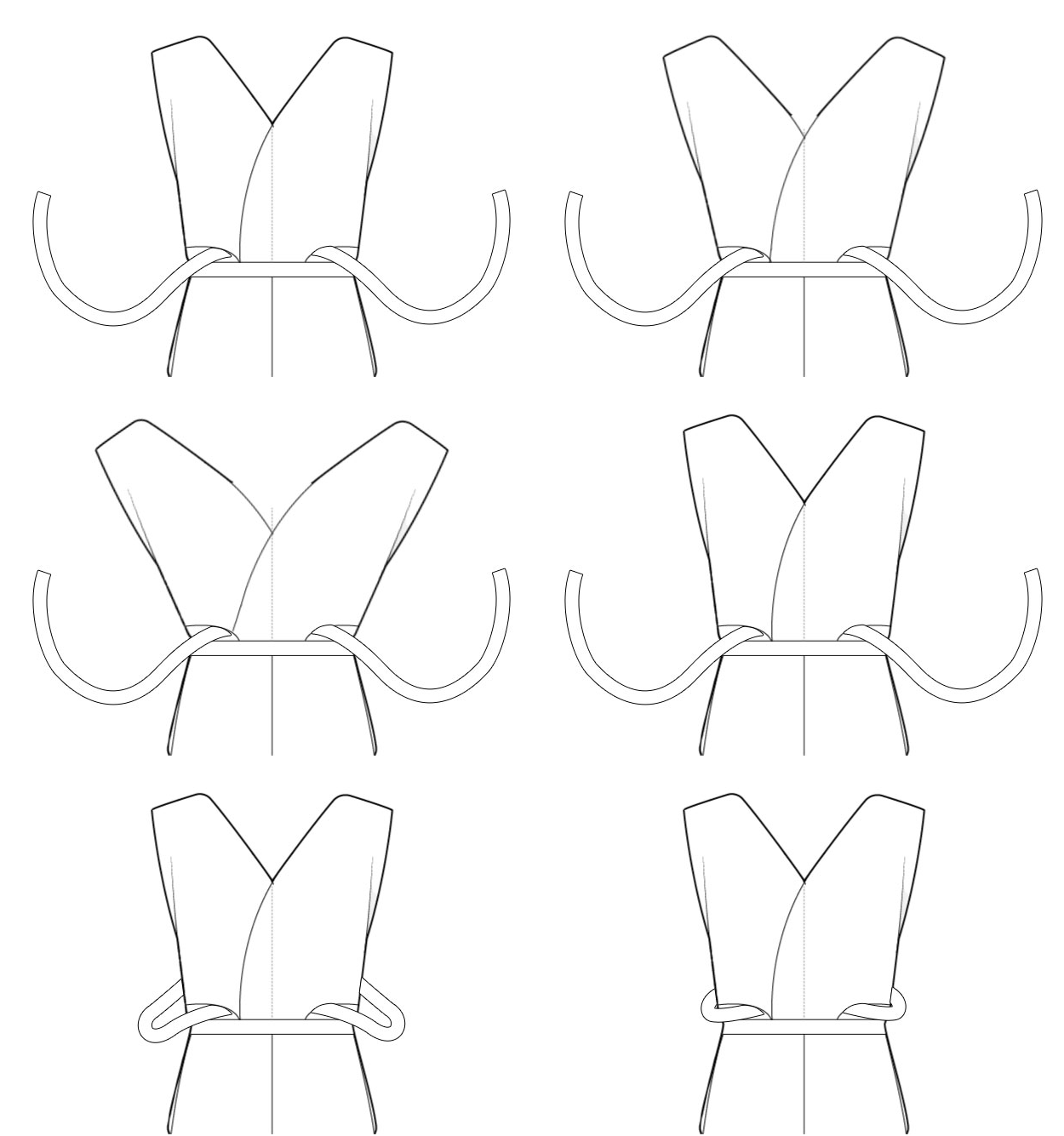
Applying interaction design methods, such as rapid paper prototyping, also opened up opportunities to use animation as a tool for ideation and communication. Throughout the process, animation helped us test ideas, gather feedback before construction, improve the speed and clarity of communication, and reduce material waste.
I used Adobe After Effects to animate technical drawings of several prototype concepts. These animations helped communicate complex construction ideas more clearly during presentations and mentor discussions at OSL, where they were well received for their efficiency and clarity. They also made it easier for Marci to understand and compare design options, allowing her to make decisions in seconds.
Result & conclusion
Fashion has the power to empower people in ways that extend far beyond appearance. Yet it is often treated as something exclusive, reserved for only a narrow group of people. Open Style Lab created a collaborative framework that made self-expression through fashion more accessible and inclusive.
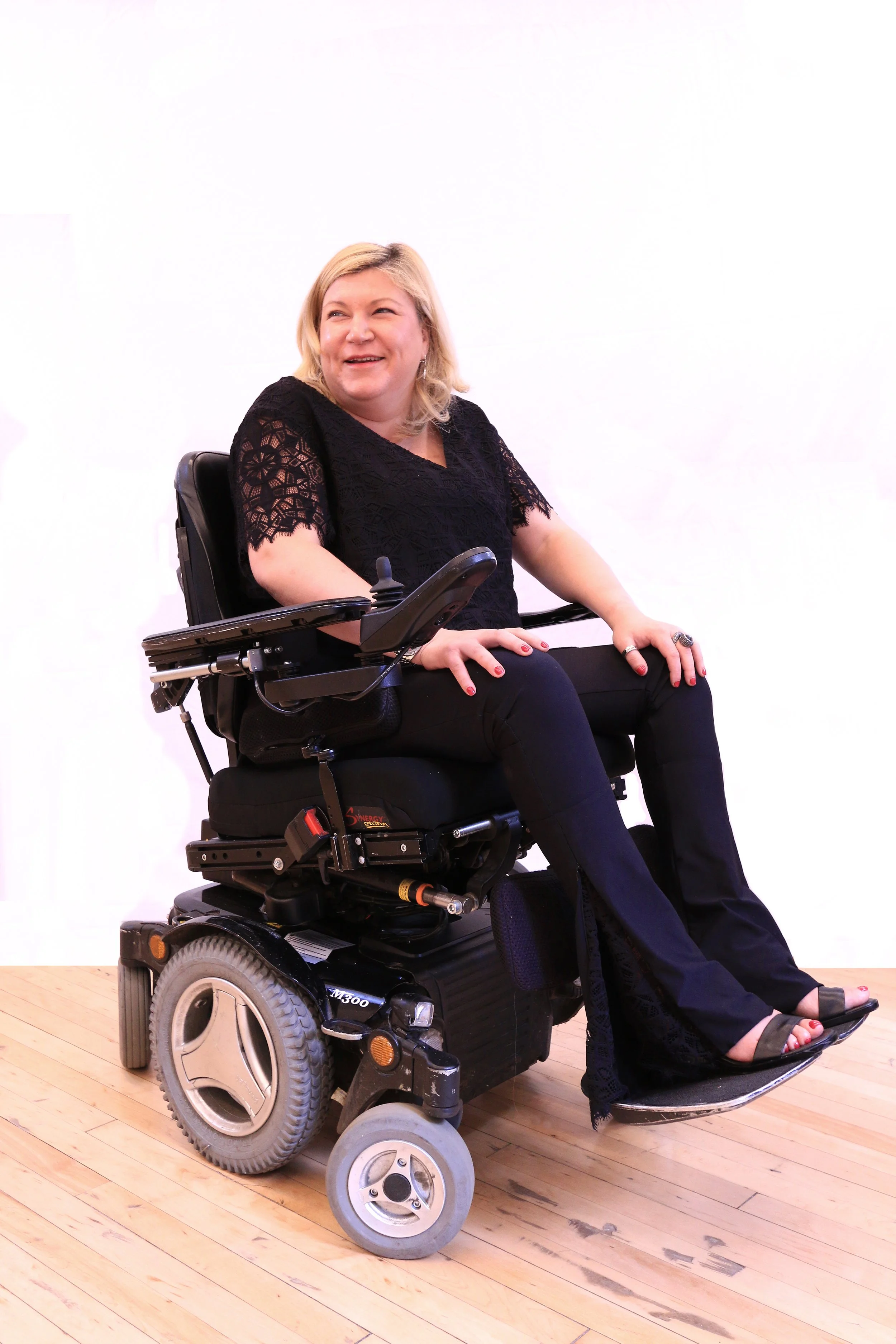
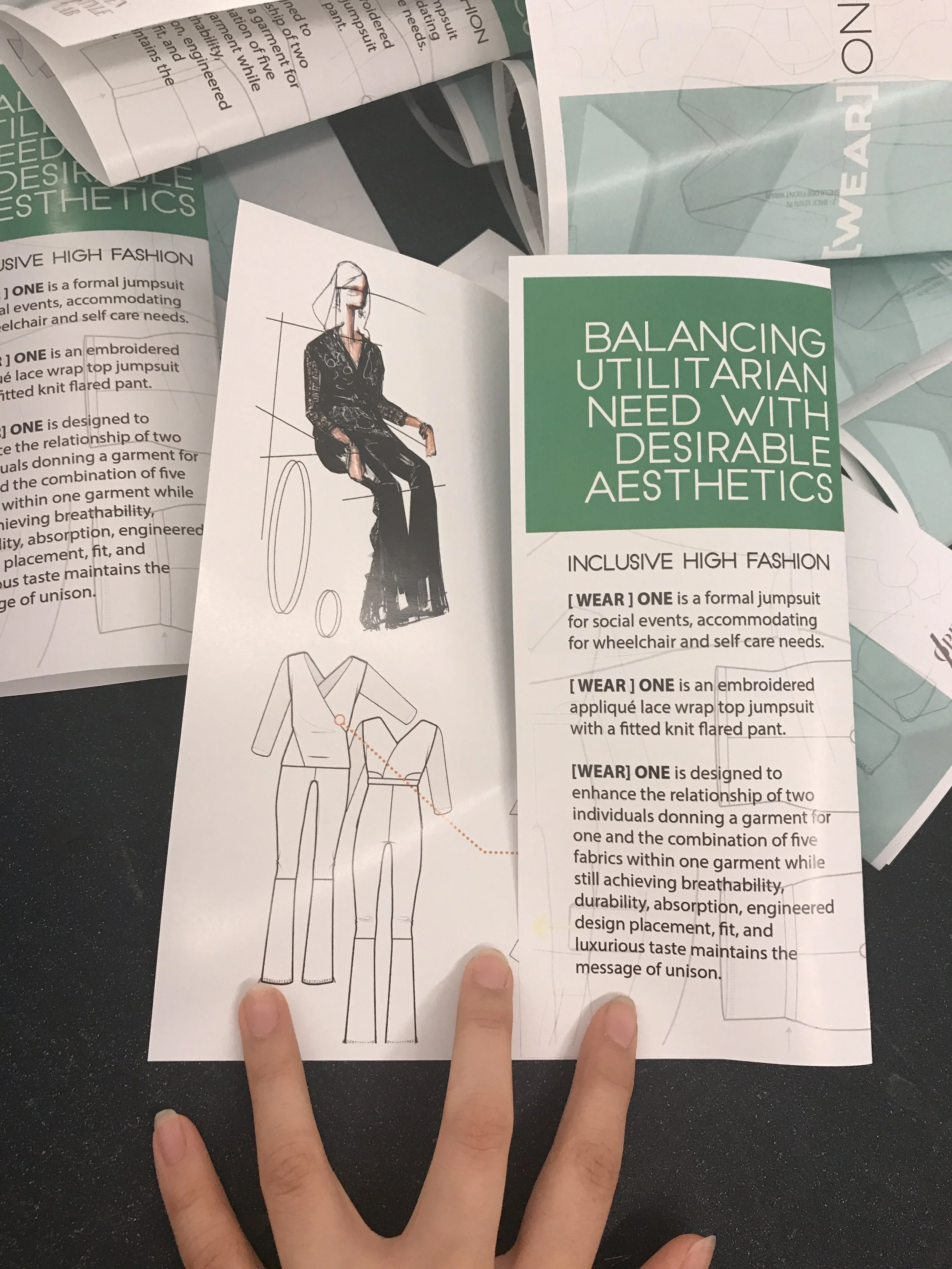
The successful development of [WEAR] ONE for Marci demonstrated a viable model for inclusive high-fashion apparel design—one that balances functionality, dignity, and style.
Exhibition
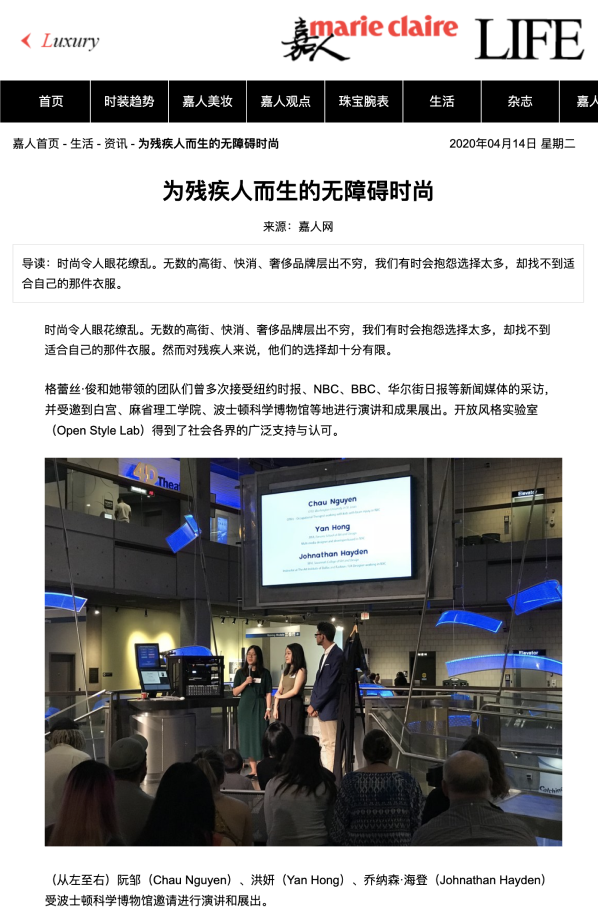
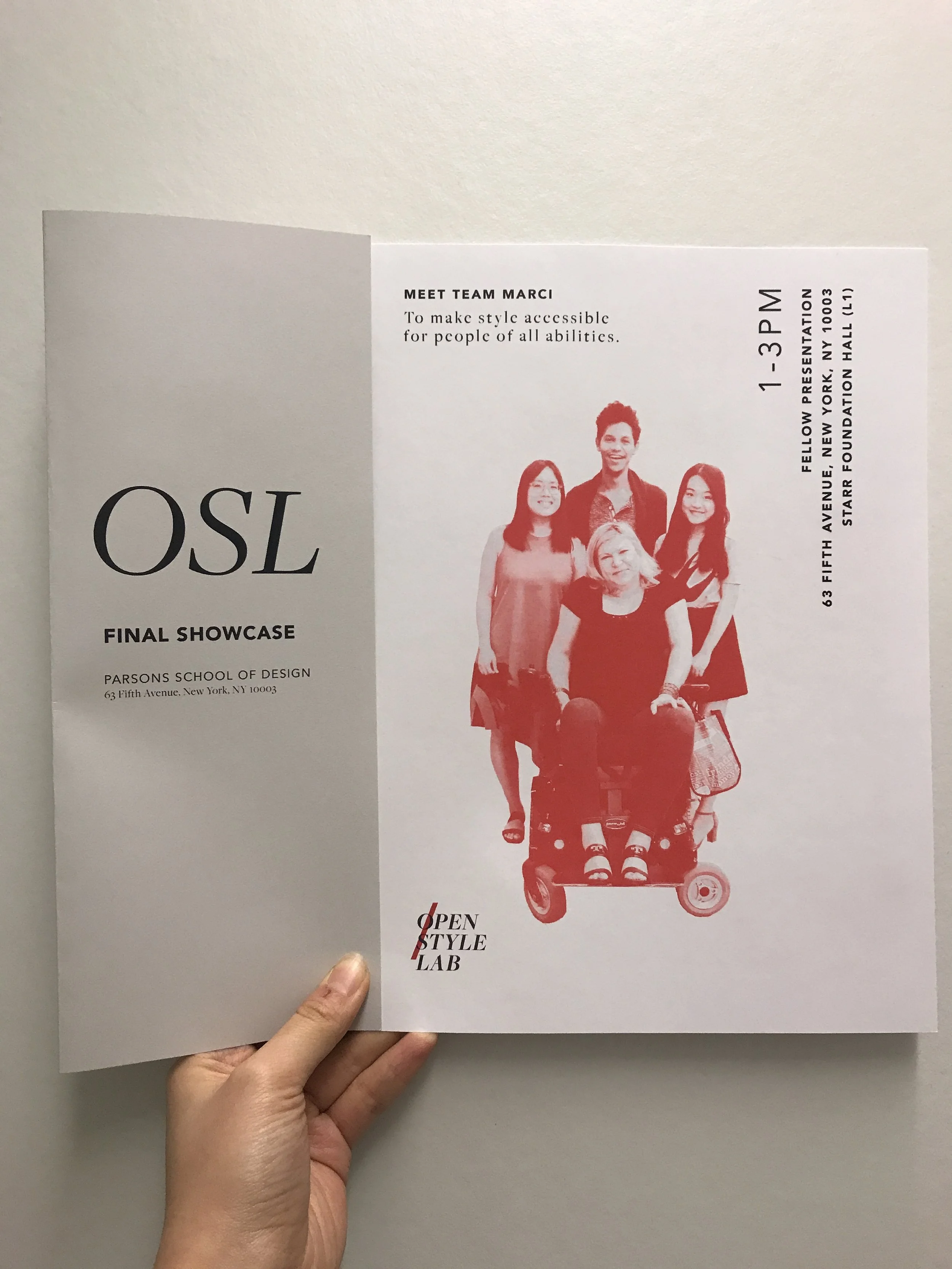
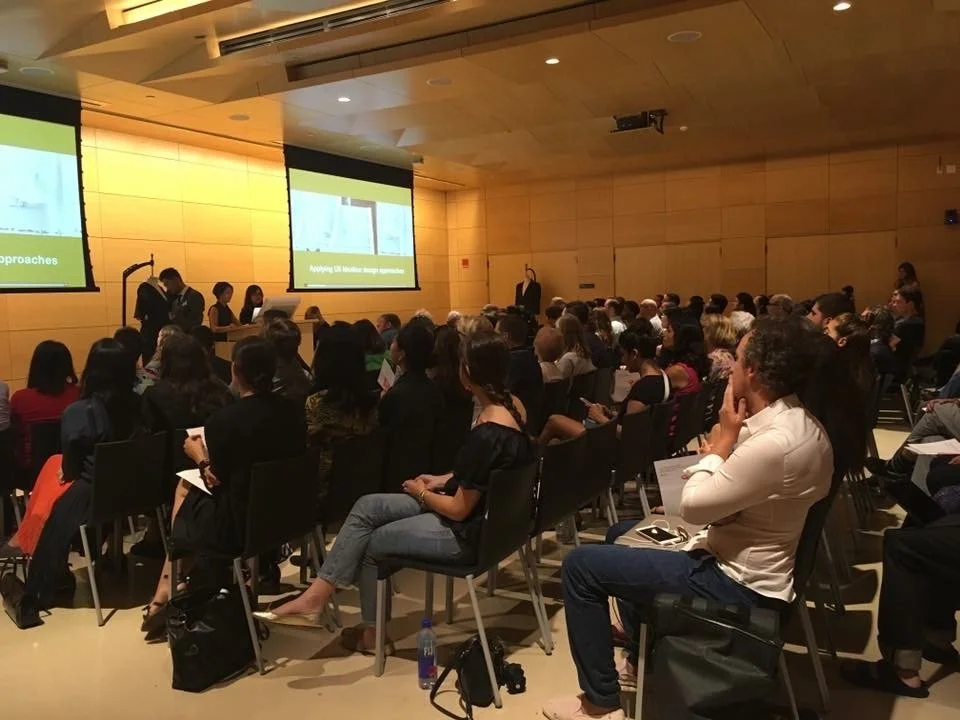
In August 2017, our team showcased the project at a symposium at Parsons School of Design, where it attracted significant media and public attention.
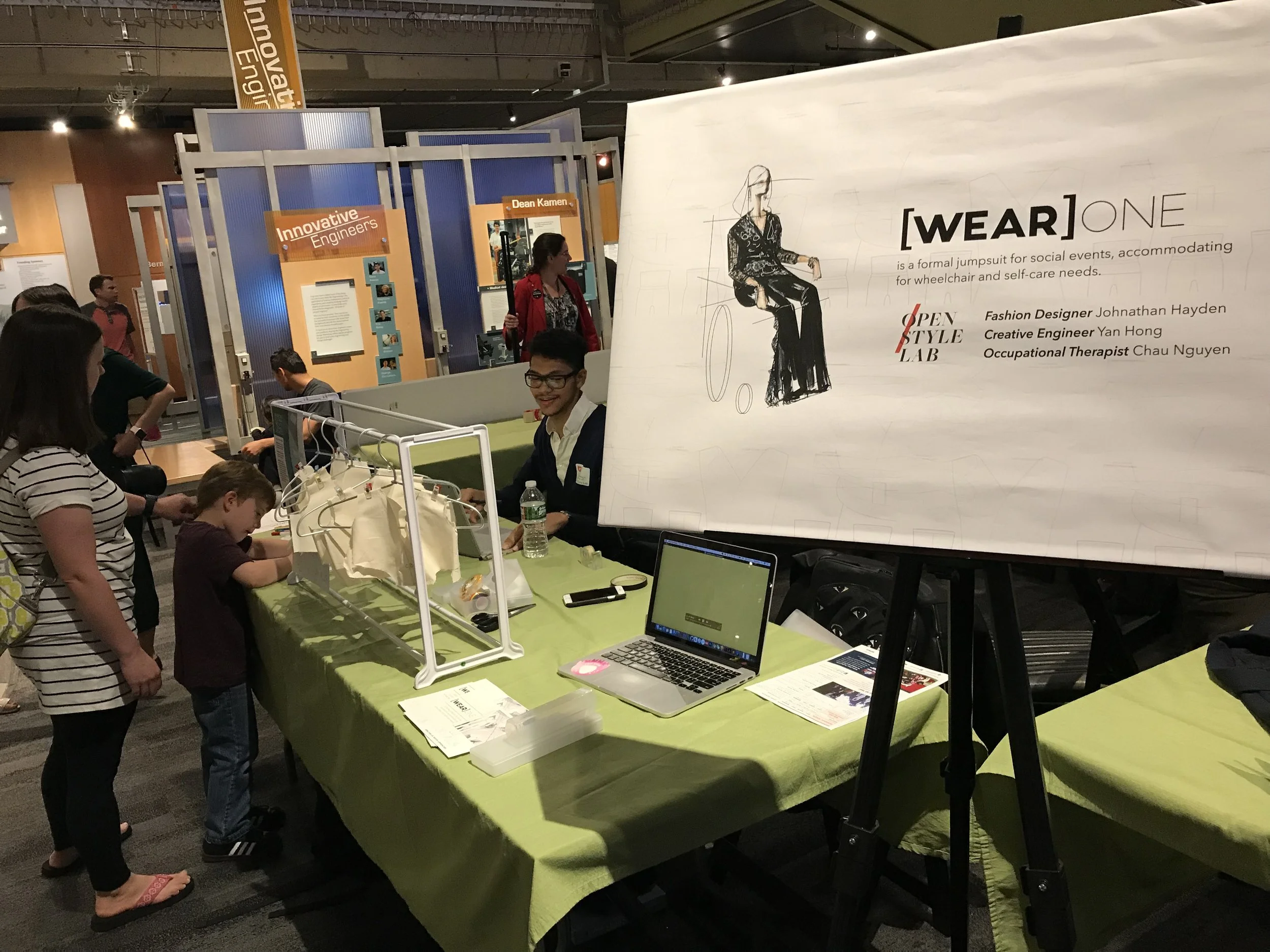
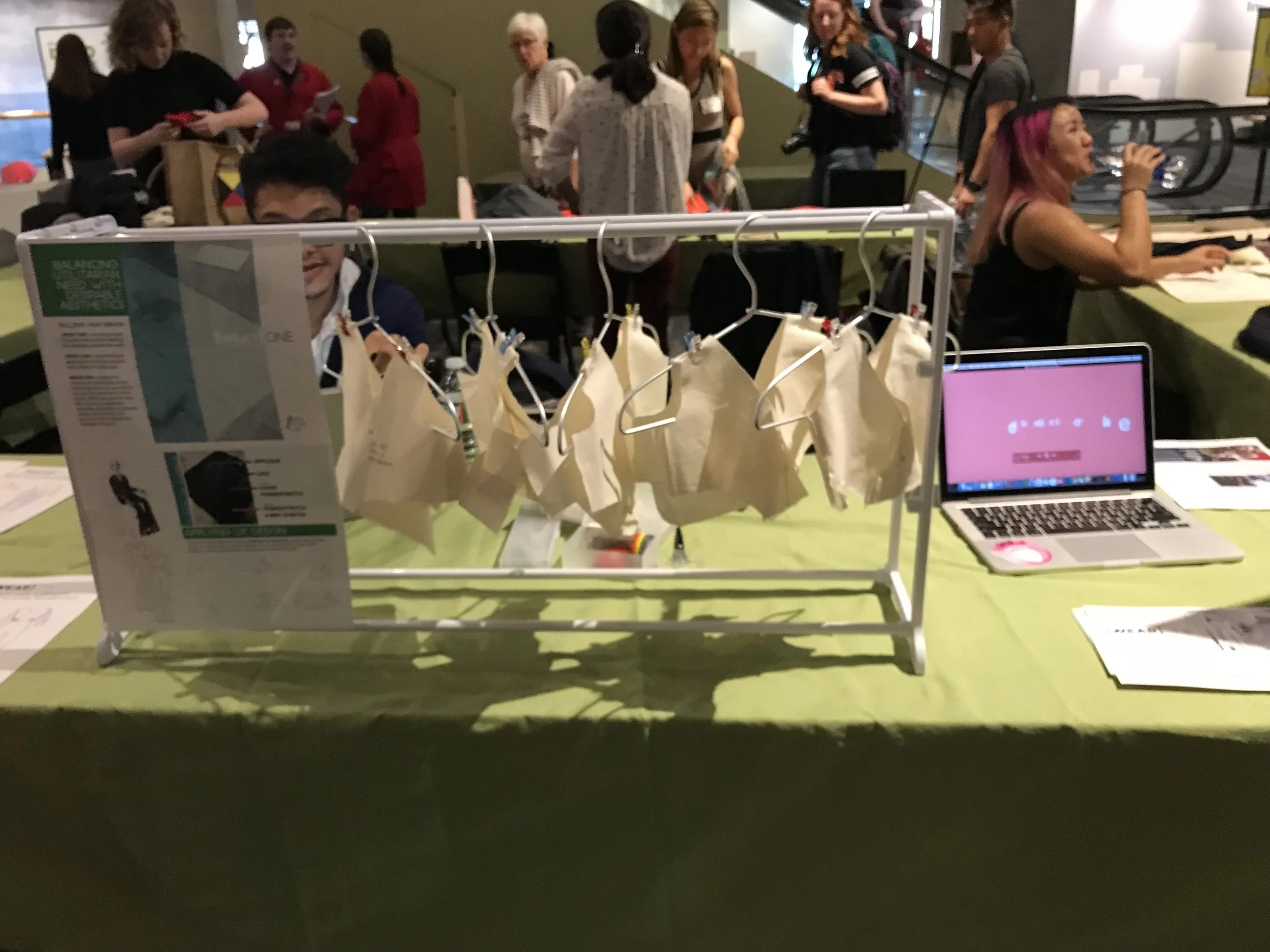
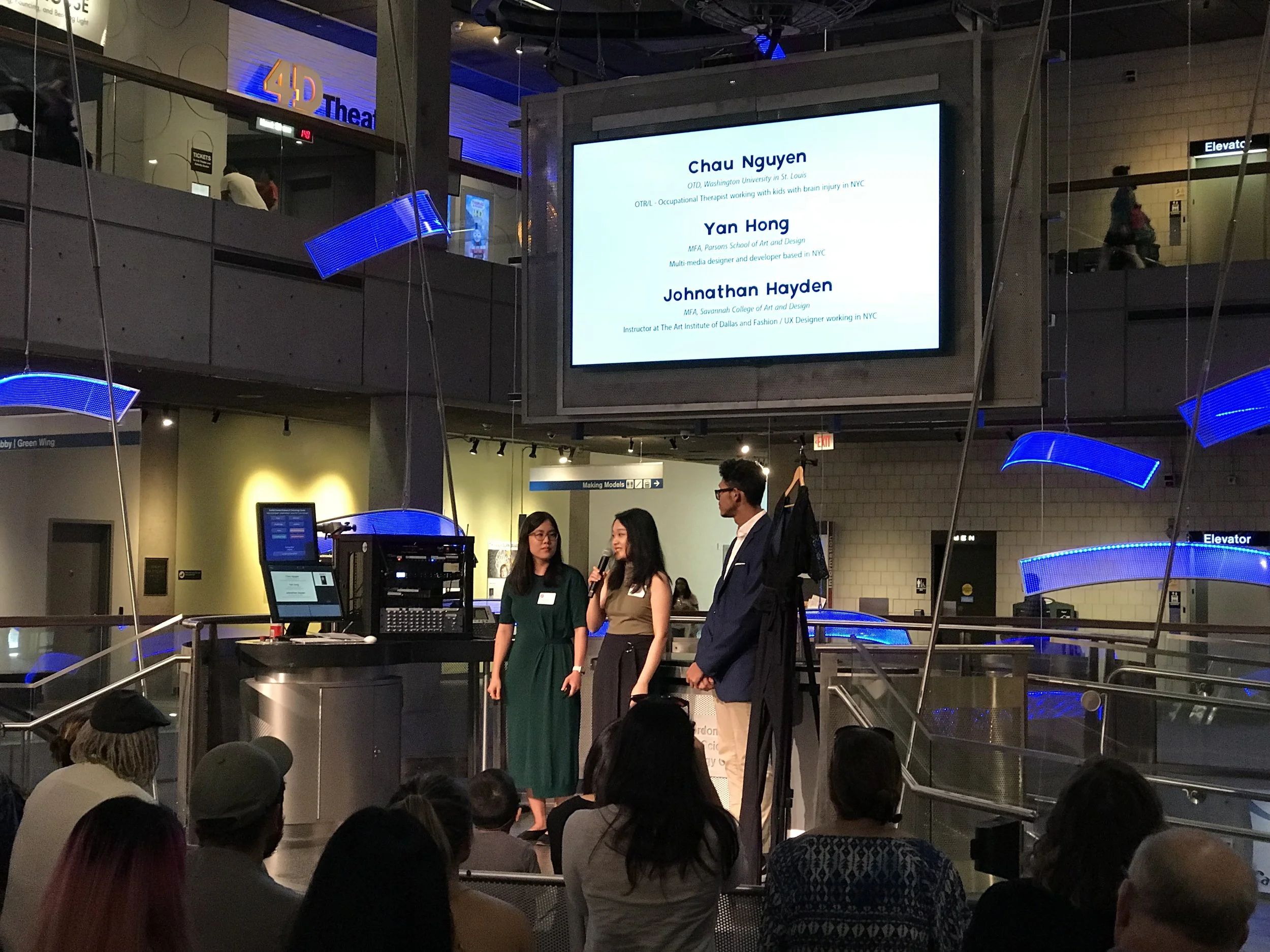
In October 2017, our team was invited to exhibit and present the project at the Museum of Science in Boston’s Inclusive Fashion & Technology event.
Press
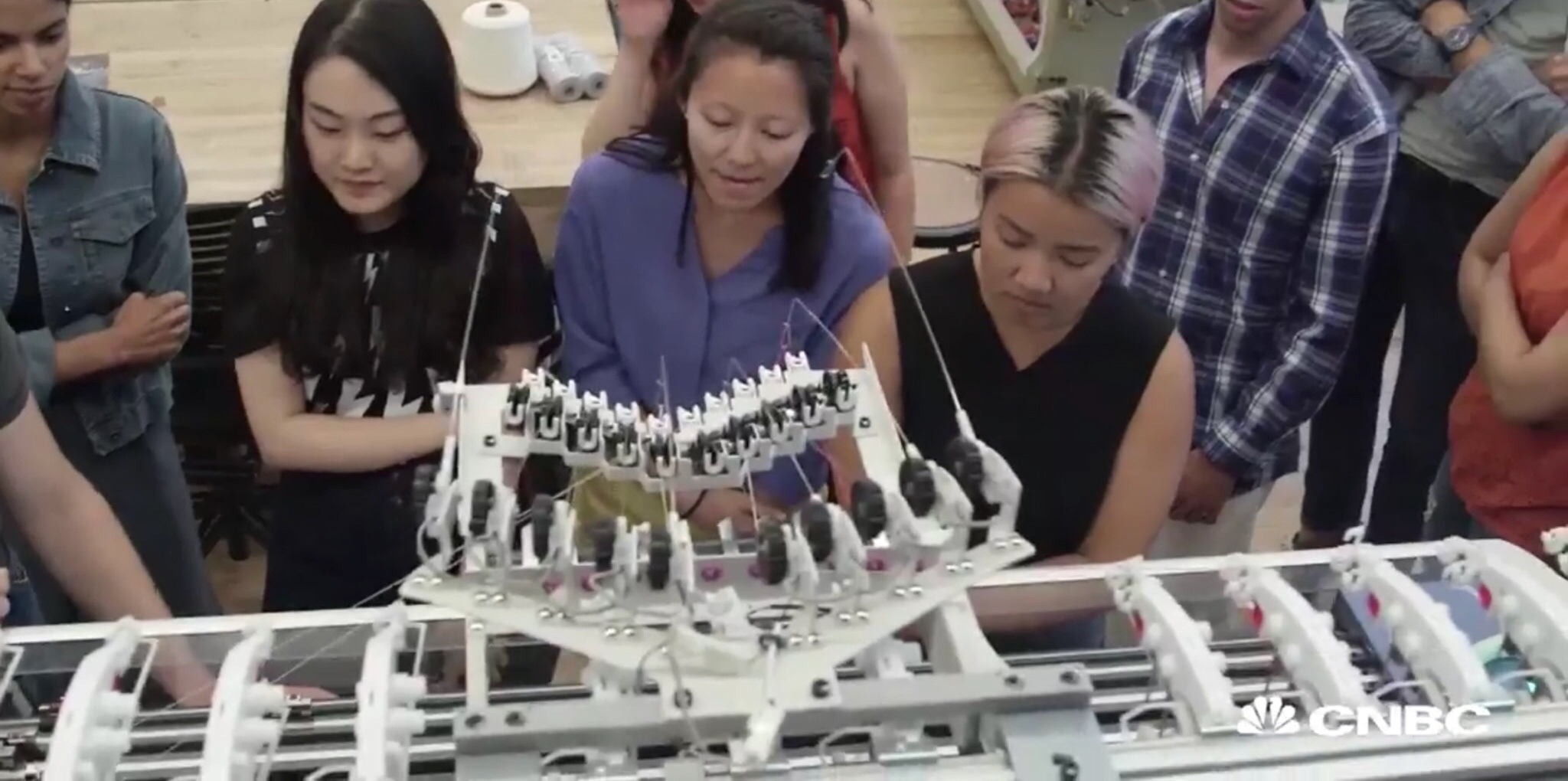
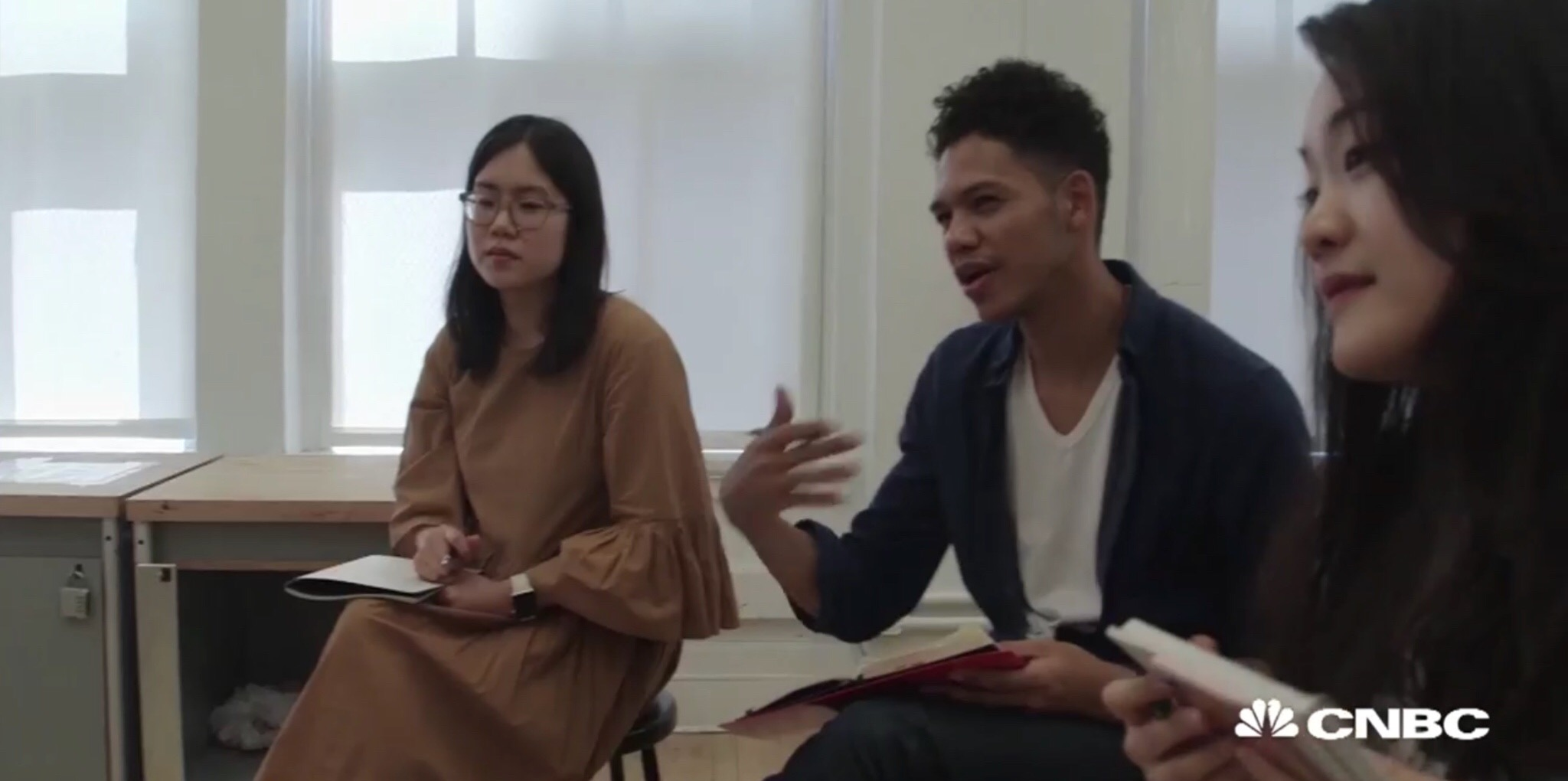
In March 2018, CNBC featured our team in the documentary episode Mixing High-Tech With High-Fashion To Design For People With Disabilities.

Media publication
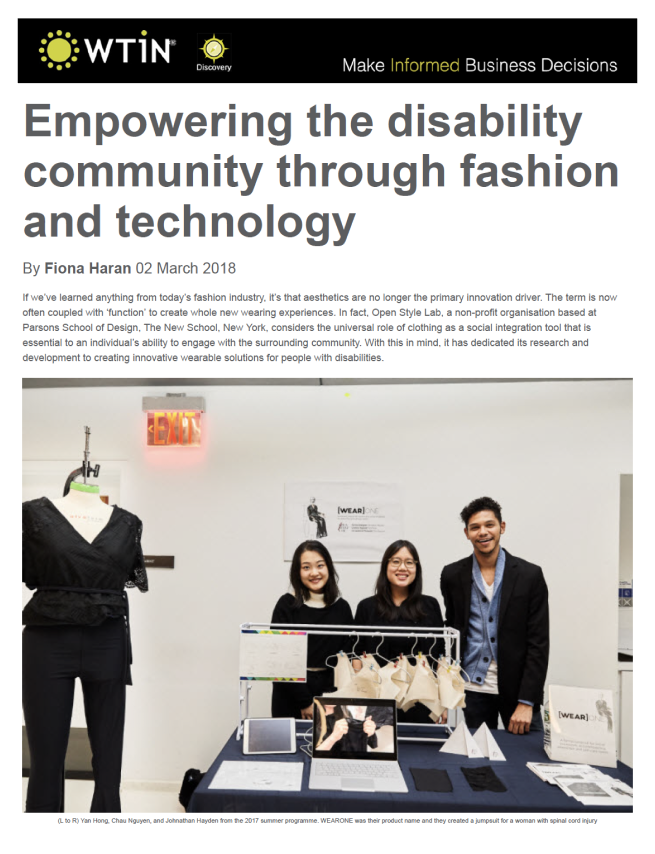
“Empowering the disability community through fashion and Technology”, WTiN
“Accessible fashion for people with disabilities”, Marie Claire