AEDIT V2
Transforming a 3D simulation tool into an aesthetic care platform
Date
03/2020 - 04/2021
Company
AEDIT LLC
Product Type
iOS App
My Role
Lead Product Designer
Team
1 PM, 3 iOS developers, 2 MLE, 1 UX Researcher, 2 UX Designers
What AEDIT Was
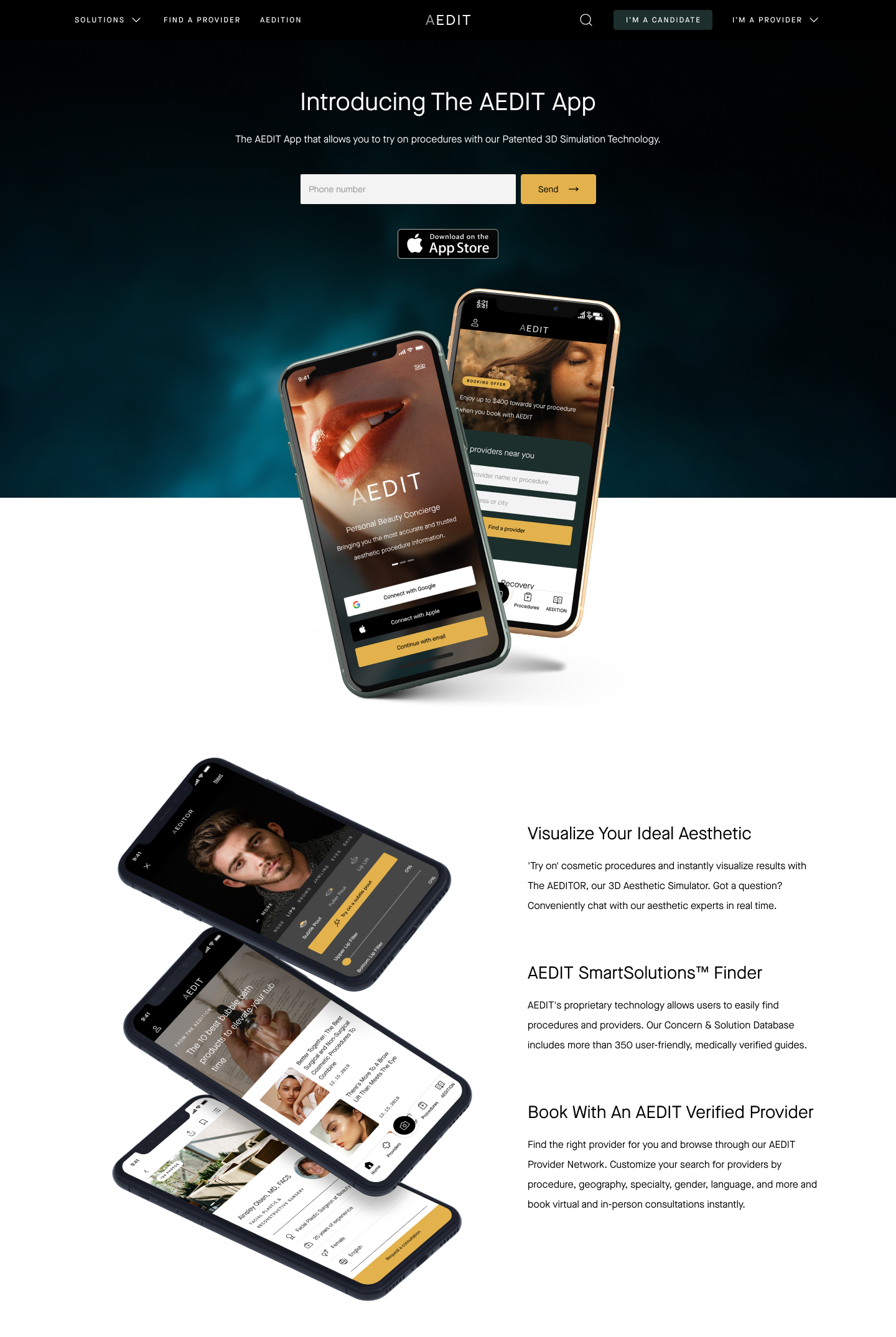
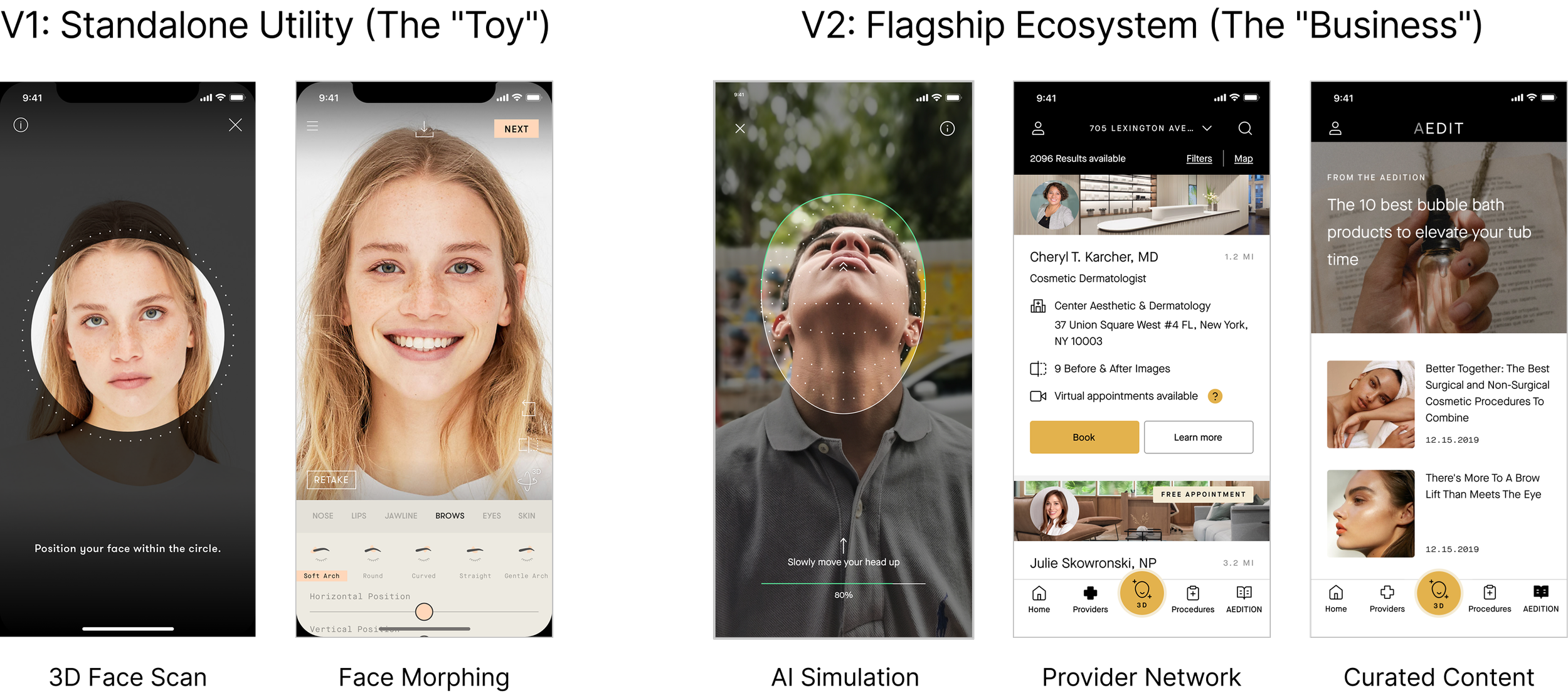
When I joined AEDIT, the product was a technically impressive 3D facial simulation tool powered by machine learning. Users could scan their faces and experiment with cosmetic procedures through morphing and visualization. However, the experience functioned mostly as a standalone utility rather than a complete product.
The Core Problem
Users enjoyed experimenting with the simulation, but very few progressed toward real consultations with providers. The product visualized possibilities but failed to guide users toward the next step in their decision journey.
My Mission
My goal was to transform AEDIT from a single-purpose tool into a conversion-driven ecosystem — connecting curiosity with trusted information, providers, and real consultations. This required rethinking both the product experience and the business funnel.
THE STRATEGIC PIVOT
The original product positioned itself as a technical novelty — a tool for visualizing cosmetic procedures. But the business needed something different:
A personal beauty concierge that could guide users from exploration to real medical consultations.
This required rethinking the product across three dimensions:
• Product identity
• User journey
• Business model
DIAGNOSING THE PROBLEM
A product audit revealed a critical funnel problem.
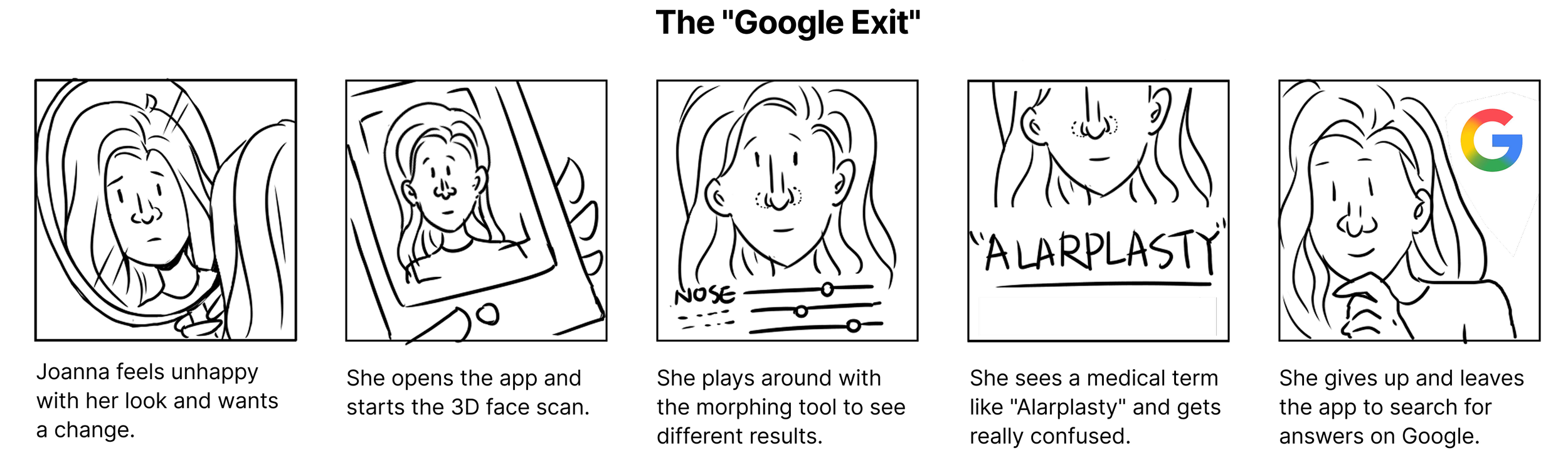
Users enjoyed experimenting with facial morphing but often left the app when they encountered unfamiliar medical terminology.
Instead of progressing toward consultations, they exited to Google to search for answers.
This “Google Exit” represented the largest drop-off in the conversion funnel.
Phase 1 — Stabilizing the Core Experience
BEFORE
AFTER
Before expanding the ecosystem, we needed to stabilize the core technology.
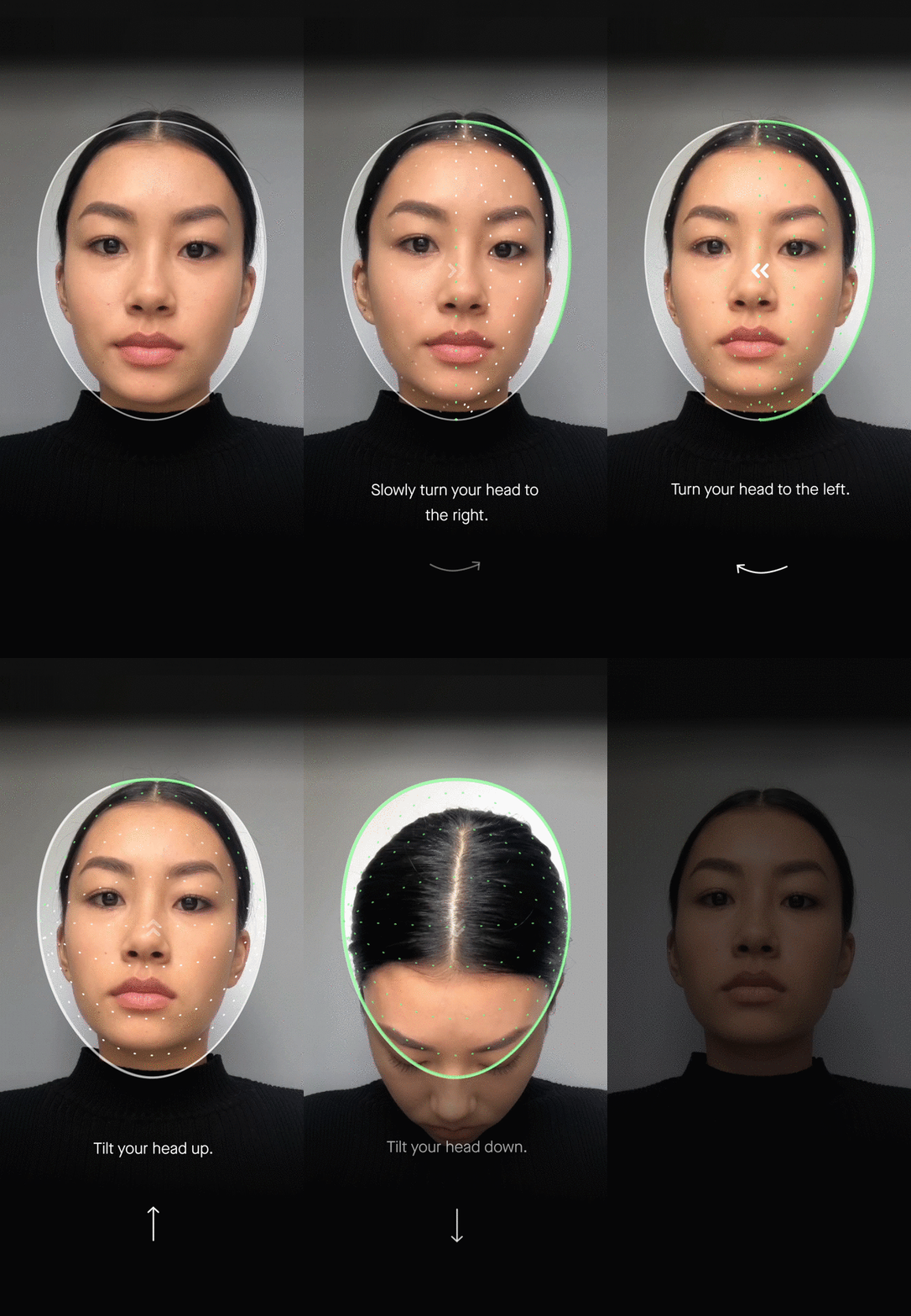
A usability and accessibility audit revealed that many technical failures were actually caused by UX friction.
Users struggled with:
• confusing scanning instructions
• poor accessibility compliance
• small touch targets and low contrast UI
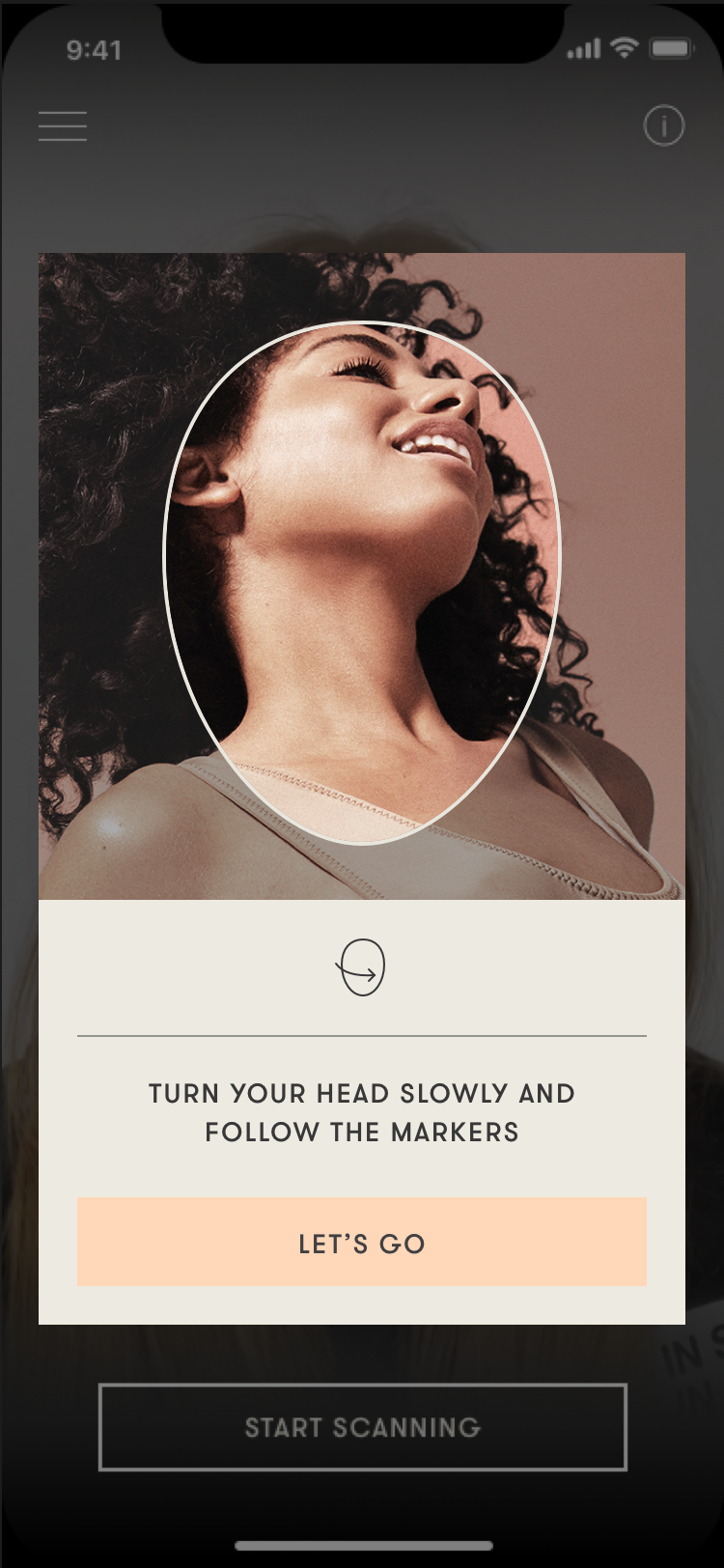
We redesigned the scanning experience with:
• real-person video guidance
• multisensory onboarding
• an accessible control interface
These changes dramatically reduced task failures and improved user confidence during the first critical interaction.
Phase 2 — Building a Trust Ecosystem
Research revealed a deeper issue: information friction.
Both novice and experienced users struggled to find reliable guidance about cosmetic procedures.
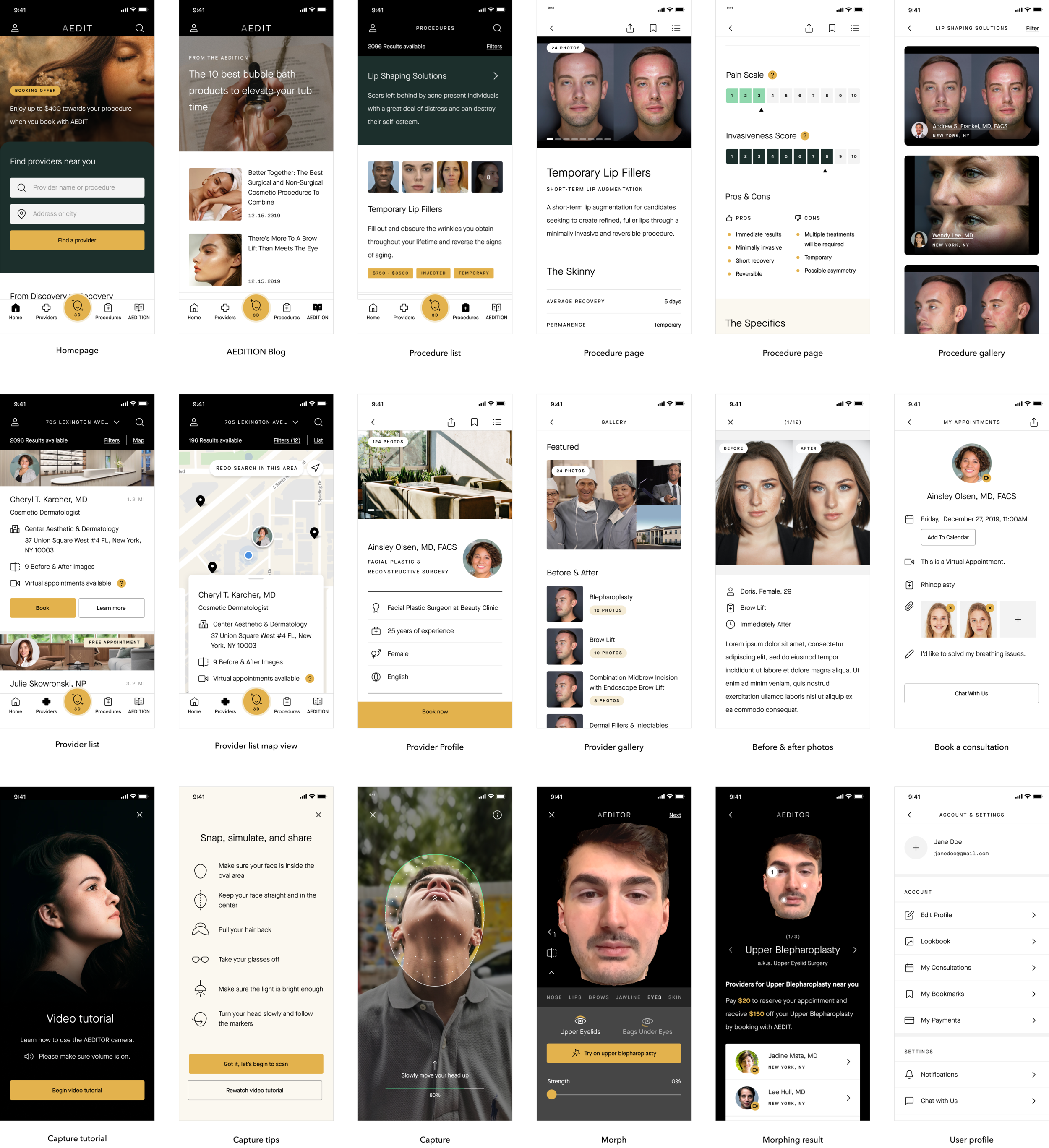
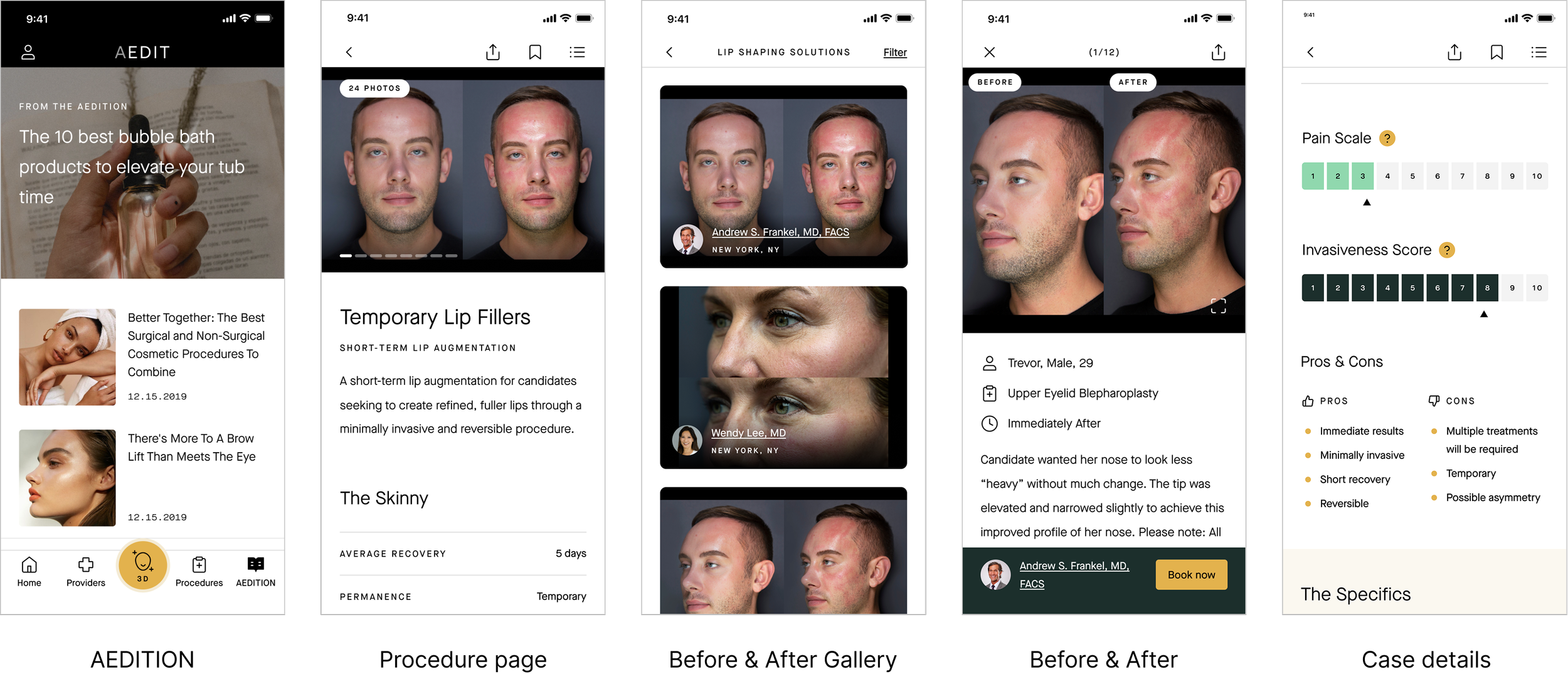
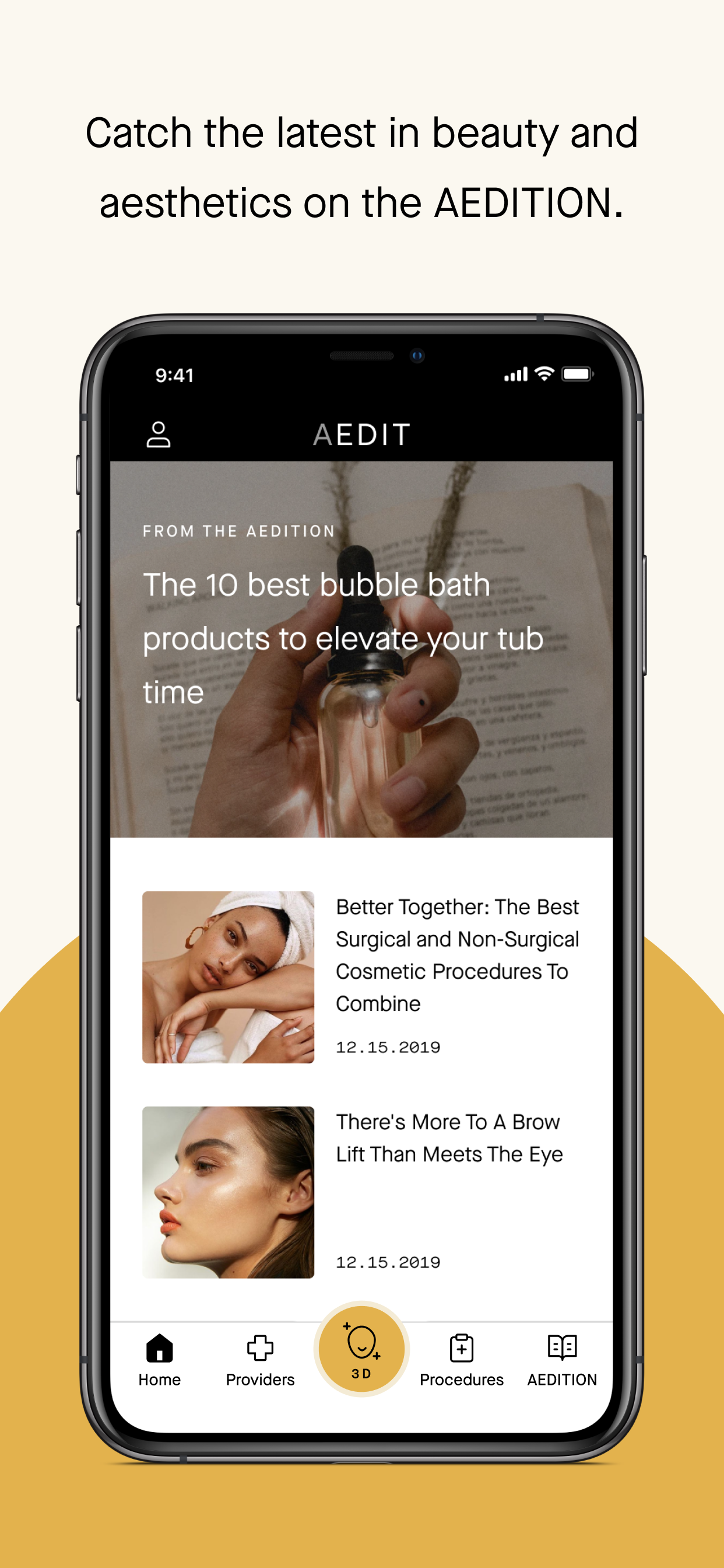
To address this, we created a structured content ecosystem:
Procedure Encyclopedia
350+ verified procedure guides explaining risks, recovery, and outcomes.
AEDITION Editorial
Expert-led content helping users discover and evaluate treatments.
Turning Exploration into Action
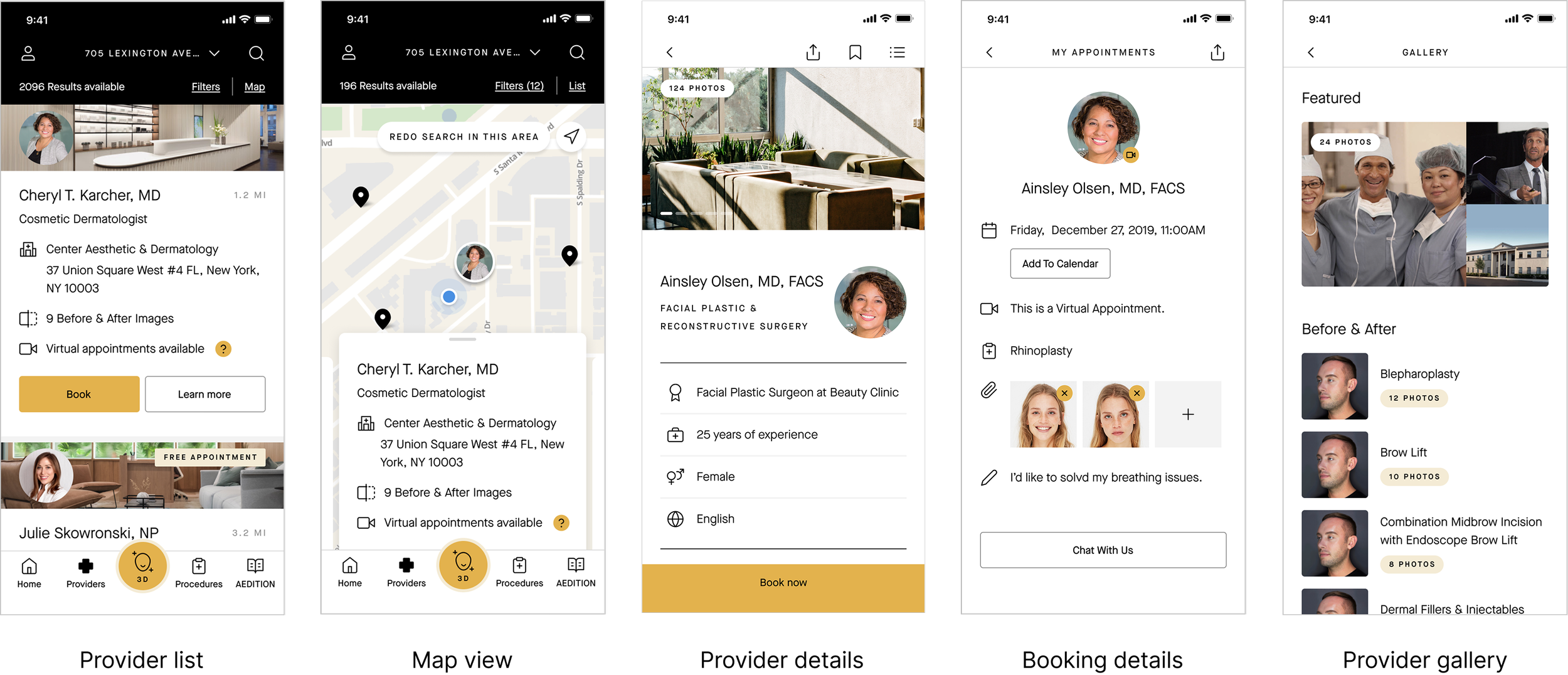
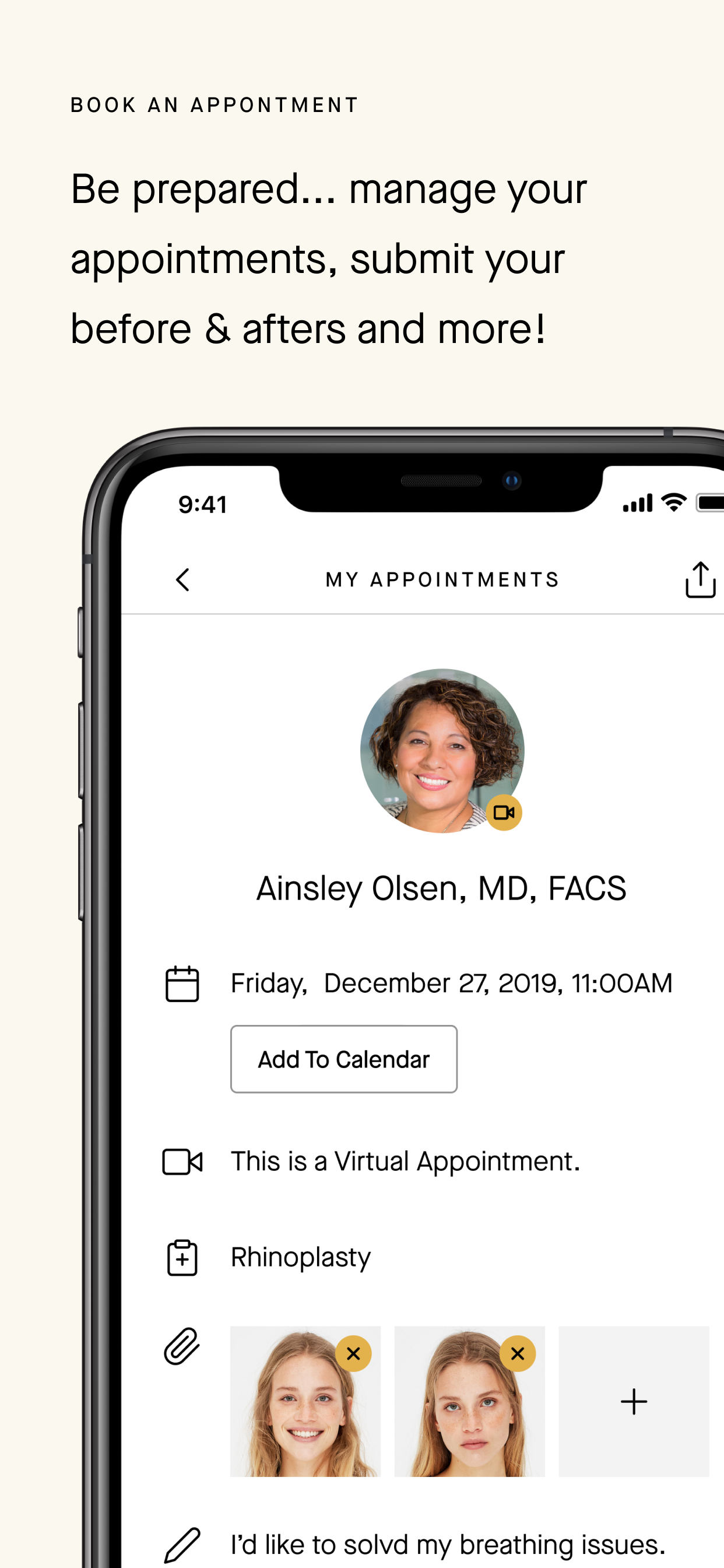
The final step was connecting education and discovery to real-world medical consultations.
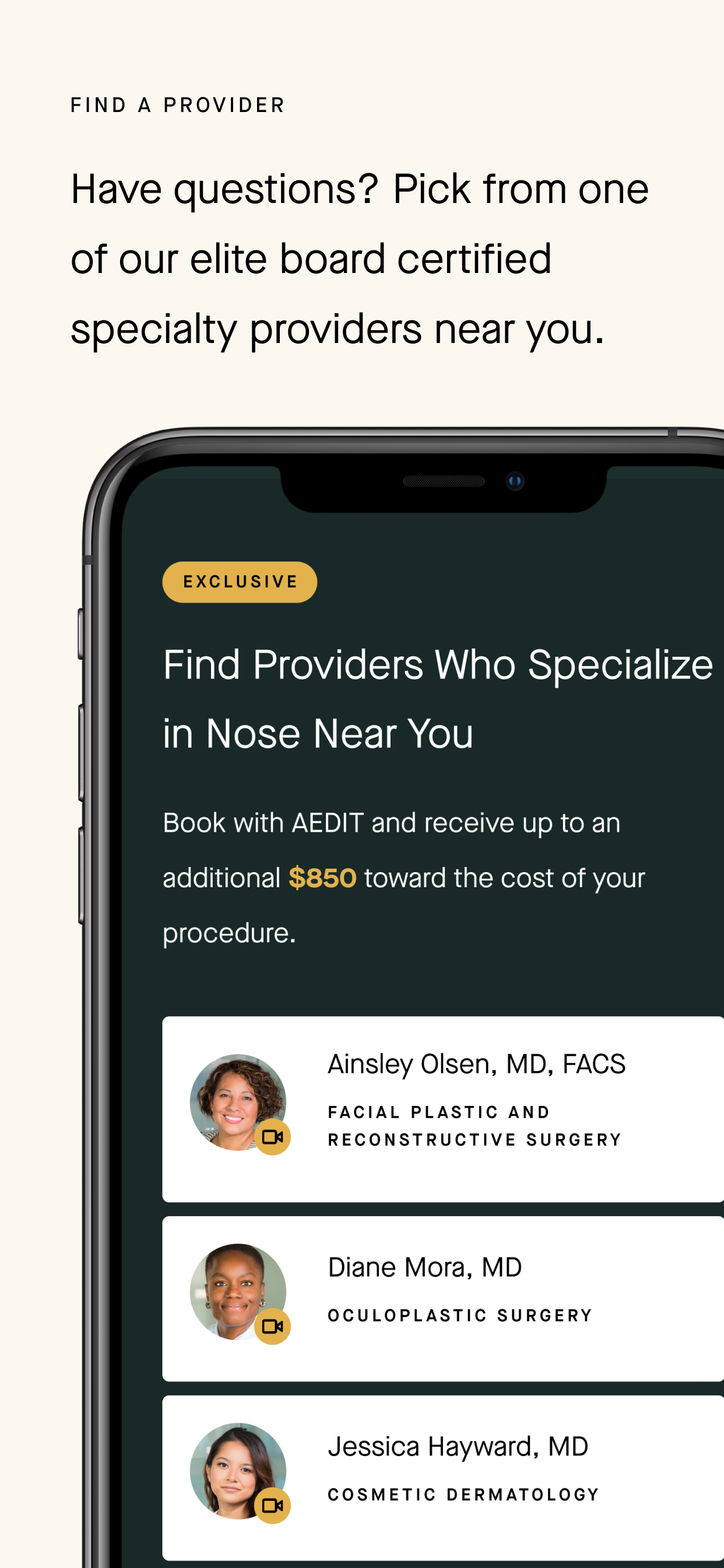
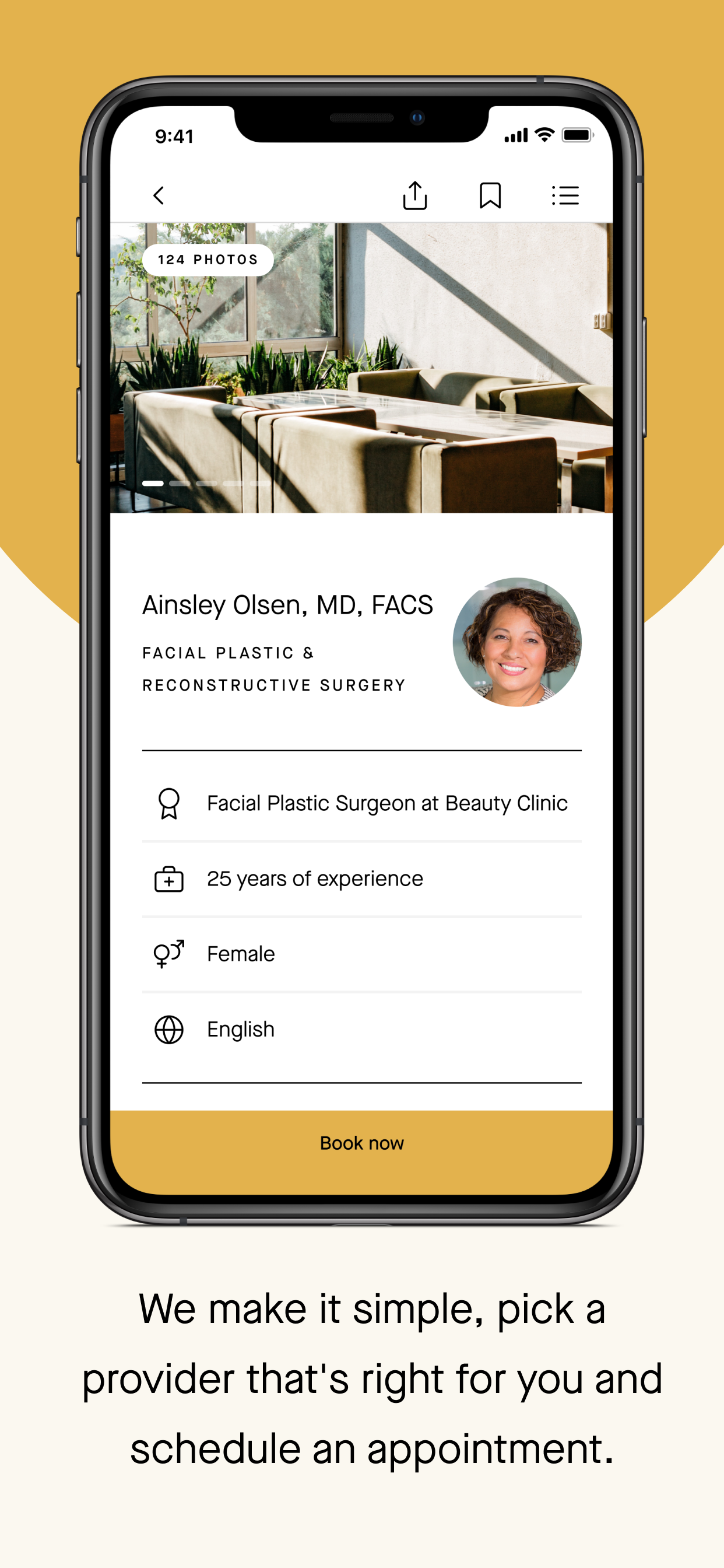
We redesigned the provider network and booking flow to emphasize:
• verified credentials
• relevant expertise
• frictionless scheduling
By reducing the cognitive load of provider selection, we turned intent into action.
A Continuous User Journey
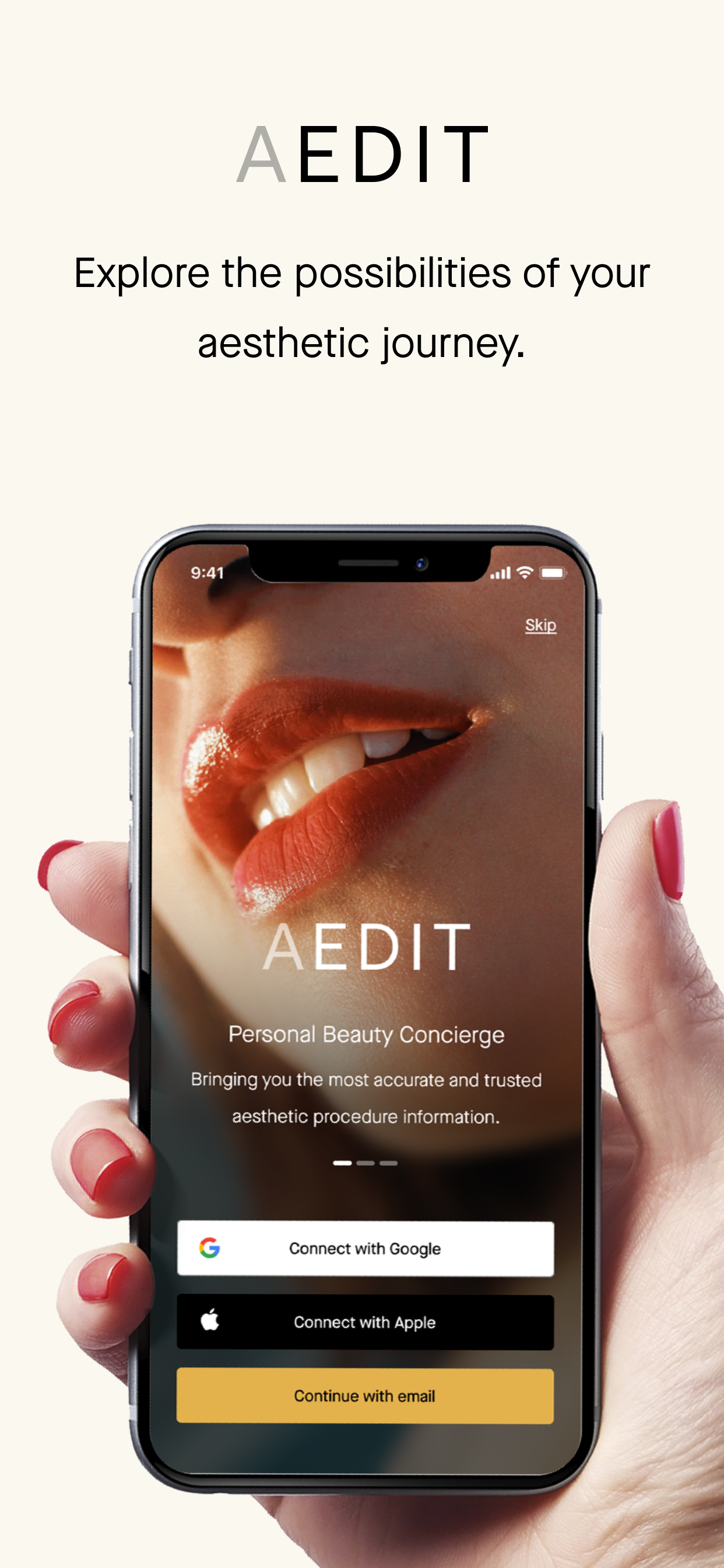
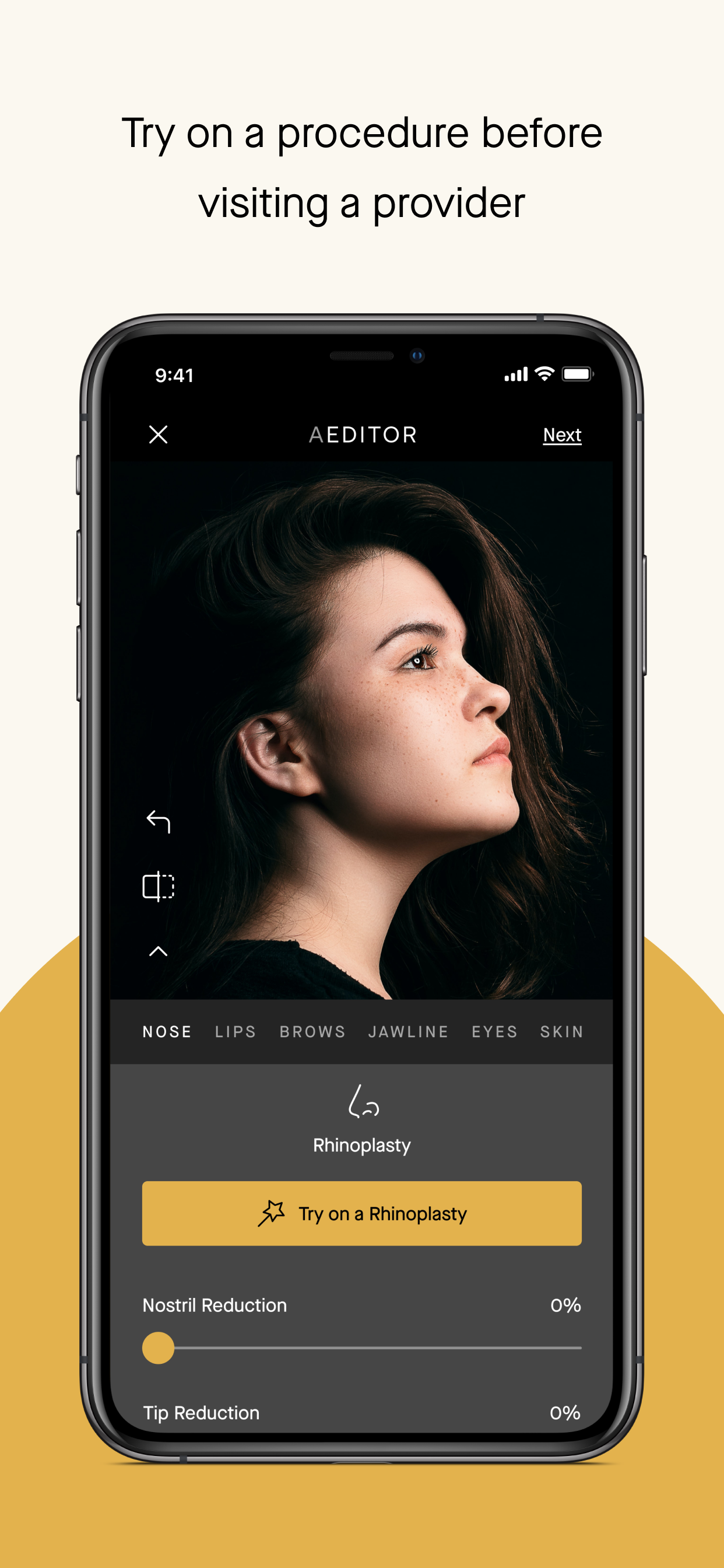
The redesigned experience connects previously isolated features into a seamless journey.
Instead of experimenting with a tool, users are guided through a complete aesthetic decision process.


Business Impact
The redesign transformed AEDIT from a technical prototype into a scalable growth platform.
Results included:
• 7× MAU growth (10k → 70k)
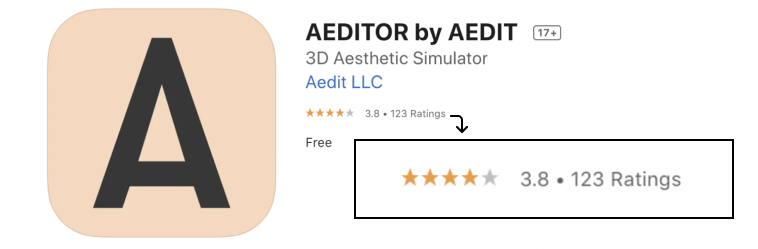
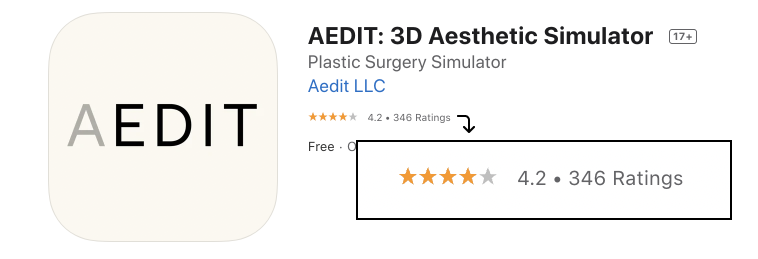
• App Store rating increase from 3.8 → 4.2
• Reduced task failure and improved usability metrics
• A scalable platform supporting long-term growth
Designing for Scale
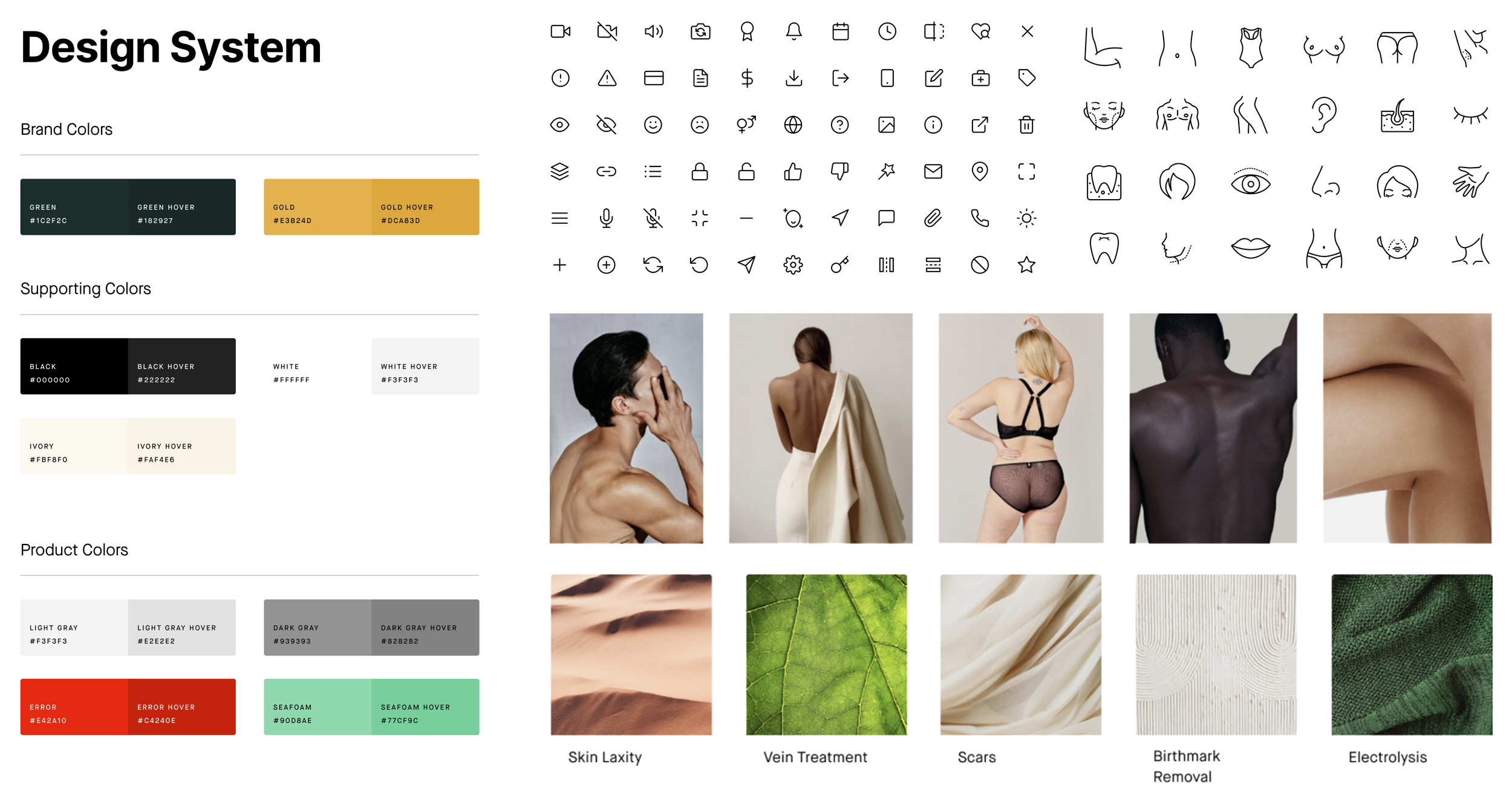
To support the platform’s expansion, I created a design system from scratch, including custom iconography, visual standards, and reusable components.
This system ensured consistency across features while enabling the team to ship new capabilities faster as the product evolved into a full ecosystem.
Reflection
This project marked a shift in my role from execution to strategic orchestration.
Leading a cross-functional team across design, engineering, and machine learning required balancing technical constraints with business outcomes.
The most important lesson was that design’s greatest value lies in bridging technology and real-world impact.
Outcome